Prices and fees
Blood test and lab test prices in Jamaica
Blood test and lab test prices in Jamaica: how private fees and panels compare, public no-charge services, NHF support, result times and GCT questions.
28 April 2026
On this page
The first step is to match the exact test or panel on your request with the laboratory’s current fee. Public-patient laboratory services are listed as “No Charge” for many tests under a 1999 government fee schedule, while private laboratories set their own fees. Your final price can also depend on collection, courier, GCT, insurance and an NHF subsidy.
Use the laboratories and imaging places to find a nearby laboratory, then ask about the exact test, preparation, collection hours, result time and total amount before you travel.
Private laboratory fees in Jamaica
Private laboratories set their own fees for each test and panel. Ask the laboratory to confirm that the current quotation is in Jamaican dollars and what it includes.
A private quotation is one provider’s price and not a Jamaica-wide rate. Ask whether each fee includes GCT, whether resident, non-resident or insured rates differ, and what the total is before collection, including any separate sample-collection, home-collection, courier or administrative charge.
A single test may be less costly than a panel, but a panel may include several tests that would cost more when ordered separately. The names also matter. A “wellness panel” or “pre-employment panel” can mean a different group of tests at another laboratory, so compare the included items rather than comparing package names alone.
The older National Health Services fee schedule includes private-patient or health-insurance figures such as J$200 for fasting blood glucose, J$300 for glucose, J$240 for total cholesterol, J$300 for total and HDL cholesterol, J$240 for serum creatinine and J$1,400 for glycosylated haemoglobin. These are old figures from the 1999 regulations, with online inclusion authorised by L.N. 21/2012, so ask for a current private-laboratory quotation. The National Health Services laboratory fee schedule also lists “No Charge” for public patients across many laboratory services.
Public laboratories and health centres
Public hospitals and health centres provide laboratory services through the public-health system. The North East Regional Health Authority lists laboratory services at facilities including St. Ann’s Bay Regional Hospital, Annotto Bay Hospital, St. Ann’s Bay Health Centre and Ocho Rios Health Centre.
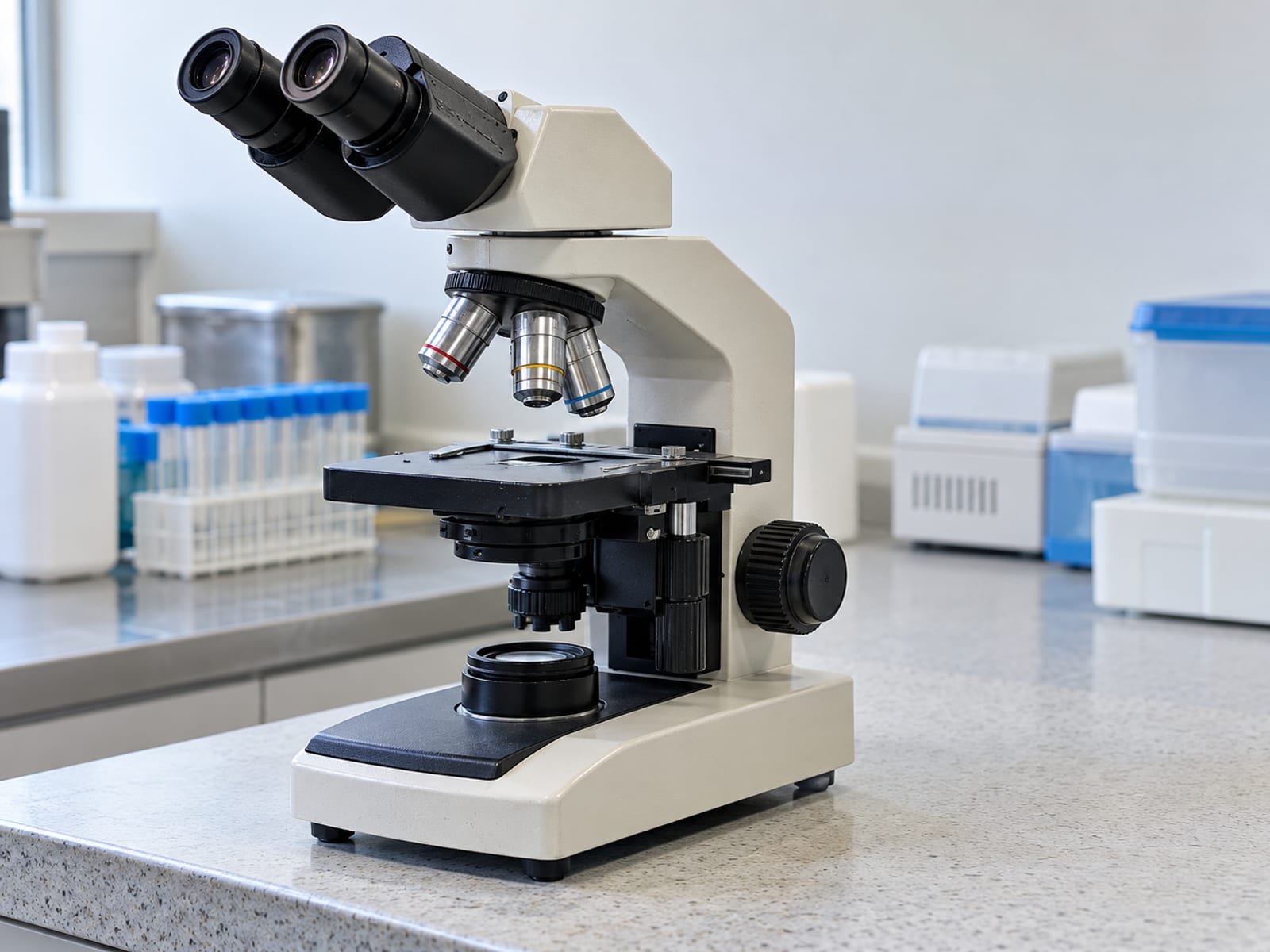
The listed service areas include haematology, chemistry, immunology, microbiology, serology, HIV testing and syphilis rapid tests. Some health centres collect samples through antenatal and family-planning clinics. The North East Regional Health Authority laboratory information gives facility-level details for several public locations.
The public-patient “No Charge” wording in the 1999 regulations covers many listed laboratory services, including chemistry tests, glucose tests, glycosylated haemoglobin, cultures and several microbiology services. Since the schedule is dated 1999, confirm the current fee, eligibility and service arrangements with the relevant public facility or regional health authority.
A public facility may have a different collection location, opening time, referral requirement or result-collection arrangement from a private laboratory. Ask whether the facility performs the exact test written on the request, what identification or form is required, and when the result can be collected or released.
Free screening programmes and NHF support
Free public screening is separate from ordinary laboratory pricing. The National Health Fund and Heart Foundation of Jamaica announced screening for blood pressure, blood sugar, cholesterol, haemoglobin, HbA1c, body mass index, vision and ECG under a J$8.2 million contract covering about 12,500 screening tests in 2022. The NHF public screening announcement describes the programme and its outreach setting.
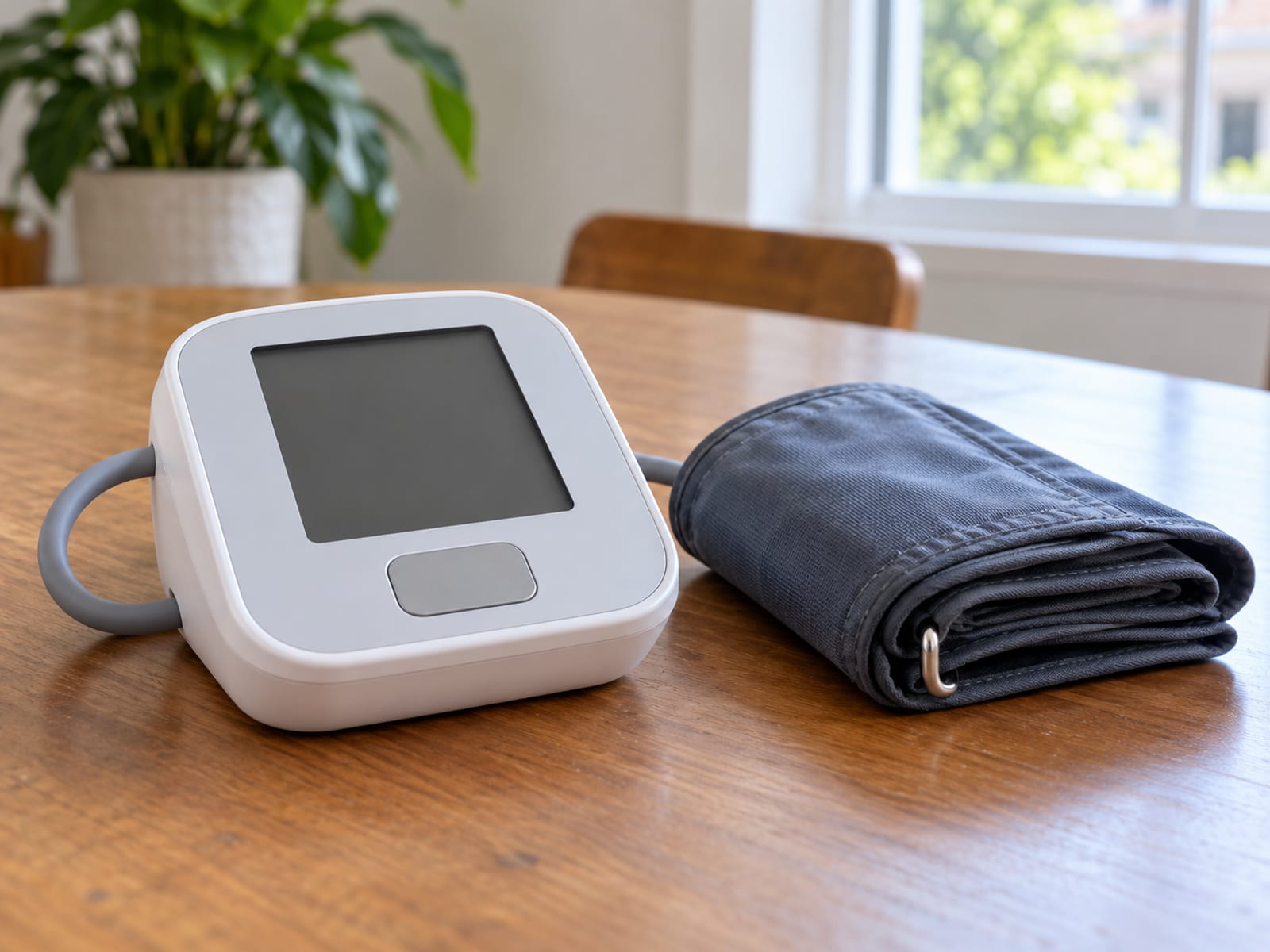
A later Heart Month report described free blood pressure, blood sugar, cholesterol, haemoglobin and BMI checks through Drug Serv pharmacies, community health fairs and public health facilities. Selected events also included medical consultations. The NHF Heart Month screening report gives that later programme description.
These screenings are event-based. Confirm the next location, date, eligibility and available tests with the National Health Fund or the event organiser. A free screening event is not a permanent laboratory service at every public facility. A screening check is also separate from a standalone ECG, which carries its own ECG and heart test costs in Jamaica.
The NHF also provides subsidies for selected diagnostic tests through participating laboratories and other providers. The patient pays the balance after the NHF contribution. The NHFCard is not a general payment method for every laboratory test. Benefits apply to selected tests, eligible beneficiaries and participating providers. The NHFCard information explains the card route, while the NHF provider information covers participating providers.
Before relying on a subsidy, ask whether the exact test is covered, whether the selected branch participates, what documents are required and how much balance remains after the NHF contribution.
Turnaround times and result delivery
Result timing depends on the test, the laboratory and where the sample is processed.
Central Medical Laboratories, in a 2014 doctor guide, says routine tests are completed within 24 hours, while cultures and other special tests may take up to three days. Its doctor guide describes courier delivery in the corporate area and telephone or fax notification for STAT reports, followed by written confirmation through courier. See the Central Medical Laboratories testing guide.
JustMedz in Kingston says reports can be downloaded at any time. The JustMedz laboratory service page describes that delivery route.
Ask when the turnaround period begins, whether weekends count, whether the sample is processed locally or sent elsewhere, and whether the result goes to you, the referring practitioner or both. Also ask whether the laboratory releases results through a portal, email, app, courier or in-person collection.
Preparation belongs to the exact test and laboratory. Ask the laboratory, or the clinician who ordered the test, for the preparation instructions for that test before collection.
GCT and the total amount you pay
Jamaica’s General Consumption Tax system separates taxable supplies, zero-rated supplies and exempt supplies. The standard GCT rate is 15% under current tax guidance. The Ministry of Finance schedule places medical, dental, nursing, optical and veterinary services in the exempt-services section, while identifying certain medicines, contraceptive devices and health-related goods separately. Review the Ministry of Finance GCT exemption schedule.
Ask the laboratory how GCT applies to each standalone test, sample-collection fee, home-collection charge and medical package. A quoted price may need to be checked for whether the service is exempt or taxable, whether the laboratory charges GCT, and whether collection or delivery charges are separate. For general tax information, see Jamaica Customs and GCT guidance and the Jamaica Business Gateway GCT overview.
Ask the laboratory to state whether its quoted total is GCT-inclusive, GCT-exclusive or exempt. Keep the wording with your quotation so you can compare two providers on the same basis.
Payment, insurance and home collection
Payment routes vary by provider, and so do insurance arrangements. Ask each laboratory which cards, online payments and insurers it accepts before the visit.
PRIME Medical lists online payment and says it accepts Sagicor, Medecus, Guardian, Canopy and most major insurance plans. Its PRIME Medical payment and insurance information is specific to that provider and is not a rule for every laboratory.
Ask whether payment is required before collection, whether insurance is billed directly, whether a request form is required, and whether the provider accepts a walk-in. If you need home or mobile collection, ask whether it is offered at your address, what the added charge is and what the collection cut-off time will be.
Instalment arrangements are a separate question. Ask the selected provider about payment timing and accepted methods before the appointment.
A simple way to compare two laboratories
Write down the exact test or panel name from the request. Then compare the following points for each provider:
Start with the published or quoted fee in Jamaican dollars, the tests included in a panel and how GCT is treated. Then compare the collection, home-visit and courier charges, any NHF subsidy or insurance arrangements, and any request-form or referral requirements.
Finish with the practical points: the preparation instructions, the collection hours and cut-off time, and the routine and specialised turnaround. Also compare the result-delivery method and whether the sample is processed locally or sent to another laboratory.
The price alone is not enough if one quote includes collection and another adds it later. A panel also needs an item-by-item comparison, especially when one provider includes urinalysis, thyroid testing, iron studies or vitamin D and another does not.
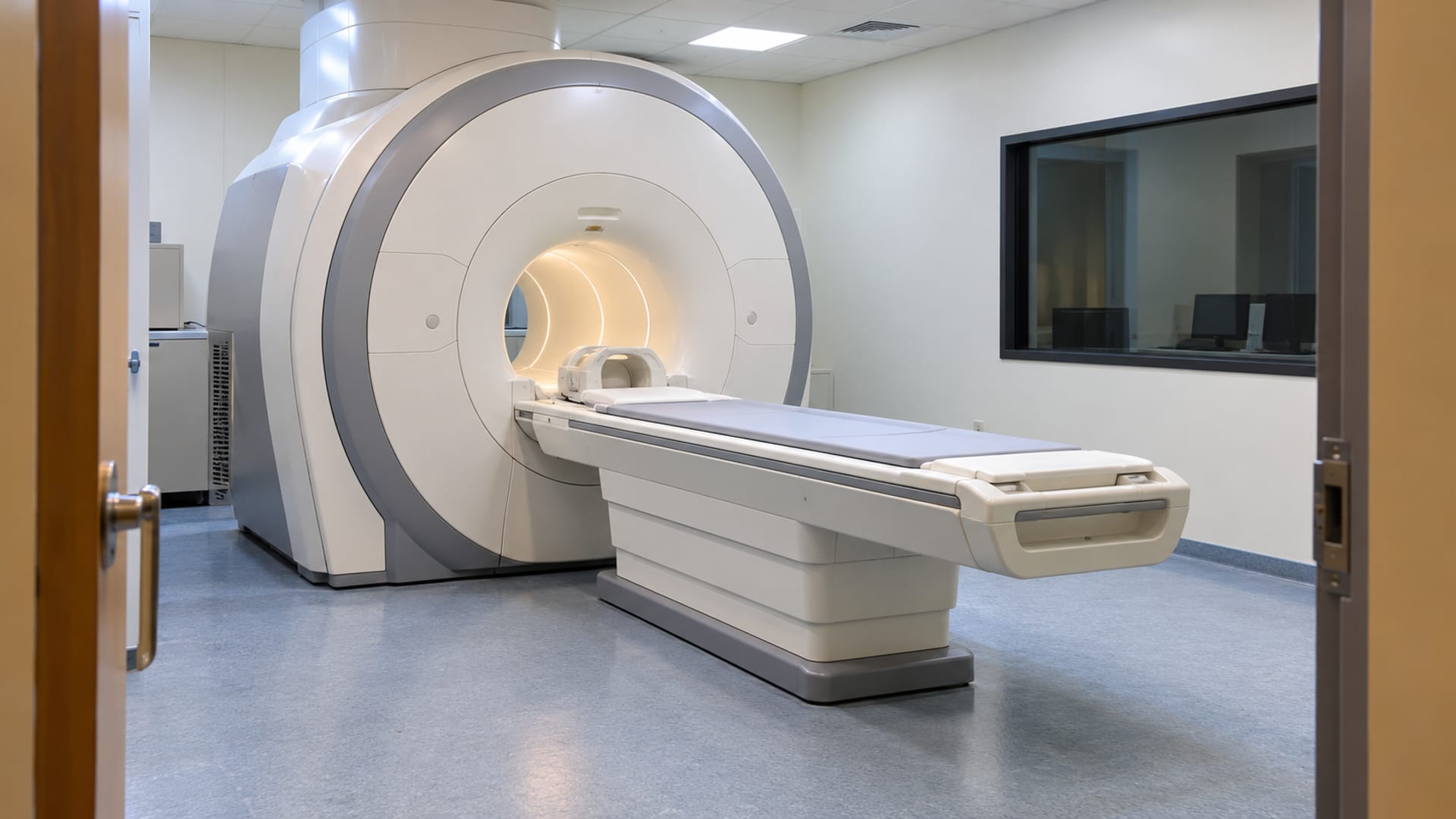
For other parts of a visit, see medical centres and clinics or pharmacies when the next errand involves a consultation or prescription collection. A pharmacy’s opening hours establish its listed hours only, so ask about the specific service, branch and payment route you need. If the request also names a scan, compare MRI, CT scan and X-ray prices in Jamaica item by item in the same way.
Common questions
How much does a blood test cost in Jamaica?
There is no single Jamaica-wide price. Private laboratories set their own fees for each test, so ask for the exact test name and the total amount in Jamaican dollars. Public-patient laboratory services are listed as “No Charge” for many services under the 1999 fee schedule, subject to current facility arrangements and eligibility.
How much is an all-body check-up in Jamaica?
The phrase “all-body check-up” can mean different packages. Wellness, pre-employment and full check-up panels can each include different tests at different laboratories. Ask for the itemised tests and total amount before paying.
How long do blood test results take?
It depends on the test and the laboratory. Central Medical Laboratories’ 2014 doctor guide states that routine tests take up to 24 hours and cultures or special tests may take up to three days. Confirm the exact time for the named test and collection date.
Are clinics in Jamaica free?
Some public-patient laboratory services are listed as “No Charge,” and NHF-sponsored screening events provide selected checks at no charge. That does not make every public consultation, test or private clinic service free. Confirm the current fee, eligibility and service conditions with the facility or programme office.
For the place you need, go to laboratories and imaging or the parish page for the area you are looking in.