Prices and fees
Glucometers and diabetic supplies in Jamaica: prices and NHF benefits
Glucometers, test strips and lancets in Jamaica: the NHF free-meter benefit, strip and lancet subsidies, and the price, GCT and insurance questions to ask.
20 January 2026
On this page
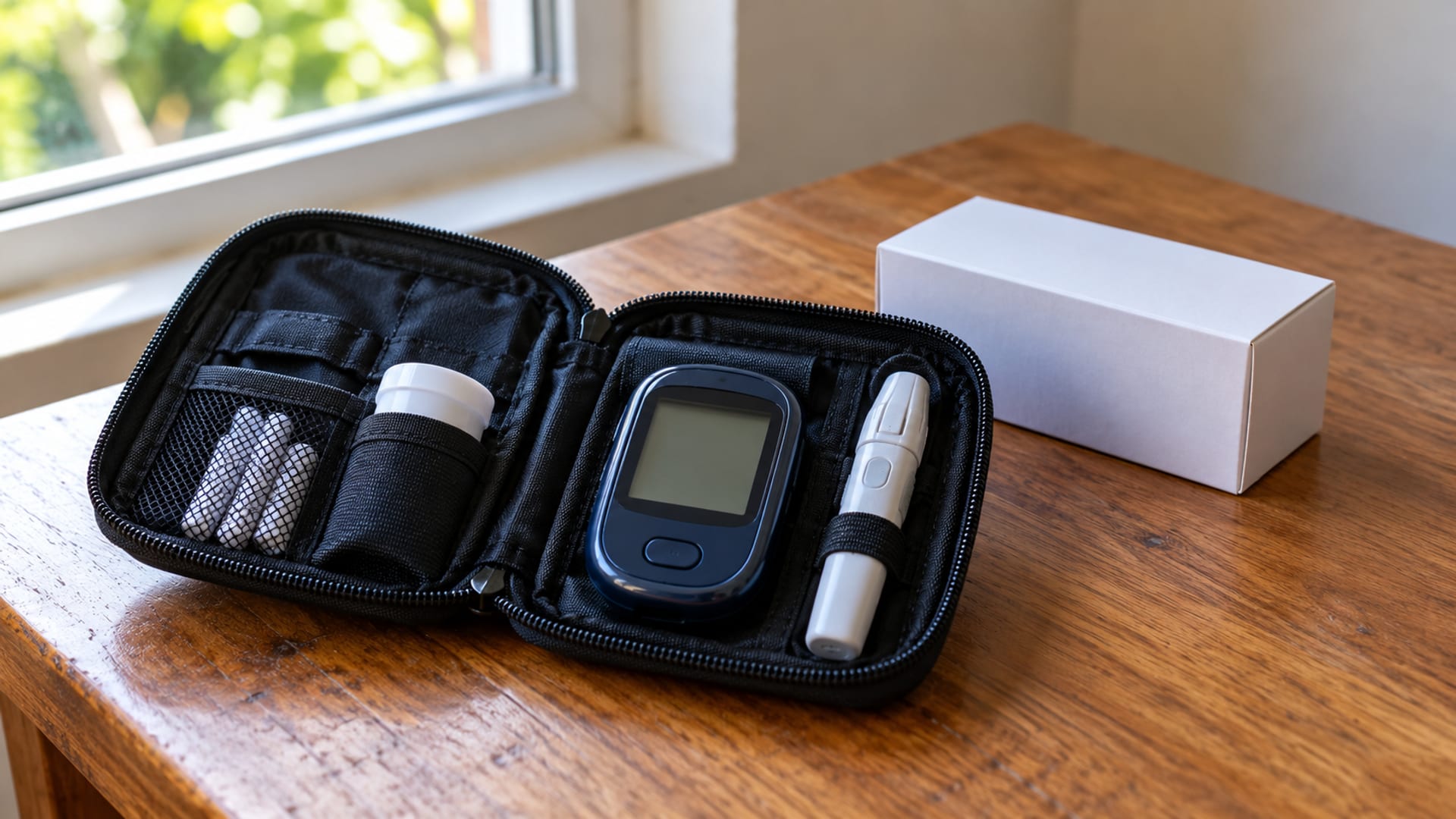
If you are budgeting for a glucometer, test strips or lancets in Jamaica, settle three details before you buy. Check the exact meter and compatible product, the current Jamaican-dollar price, and whether the National Health Fund will cover part or all of the cost. The NHF publishes a free-glucometer benefit for eligible beneficiaries enrolled for diabetes, and it publishes a fixed subsidy for approved test strips and lancets.
Your final payment can change with the brand, pack size, subsidy, GCT treatment, insurance arrangement and payment method. Use the information below to prepare the questions for a pharmacy, distributor, medical-supply store or the NHF.
Buying a meter, strips and lancets privately
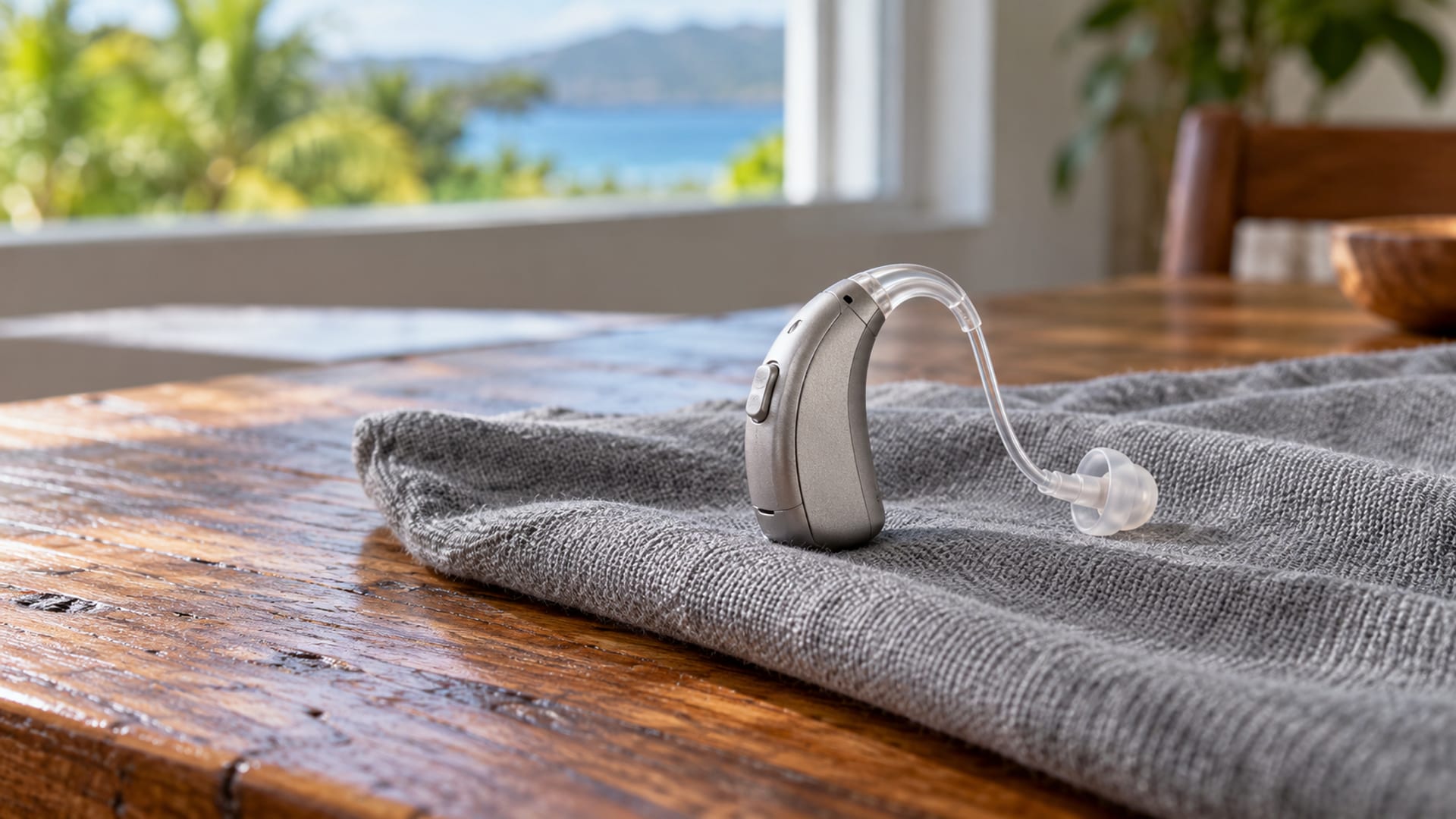
Medara Group Limited lists a glucometer, On Call Express glucose strips, safety lancets and a diabetic kit on its Jamaica provider page. Jamaica Hospital Supplies lists a CareSens N blood glucose system in its point-of-care testing catalogue.
Ask each supplier for the current price in Jamaican dollars and whether GCT is included. The Medara Group Limited product pages and the Jamaica Hospital Supplies point-of-care catalogue show what each stocks. For the CareSens N system, ask what is included in the package, such as the meter, strips, lancets, lancing device, batteries or warranty. For a kit, ask what it contains.
For a private purchase, ask about the exact brand and model, compatible strips and lancets, current availability, collection or delivery, delivery charges and replacement terms. A meter is only one part of the ongoing cost. The price of a strip pack, the number of strips inside it and the correct fit with your meter affect what you pay over time.
What the NHF diabetes benefit can cover
The National Health Fund’s NHFCard diabetes programme is for eligible NHF beneficiaries enrolled for diabetes. The NHF diabetes programme information describes a glucometer supplied free through participating distributors, generally once every two years, together with subsidised blood glucose test strips and lancets.
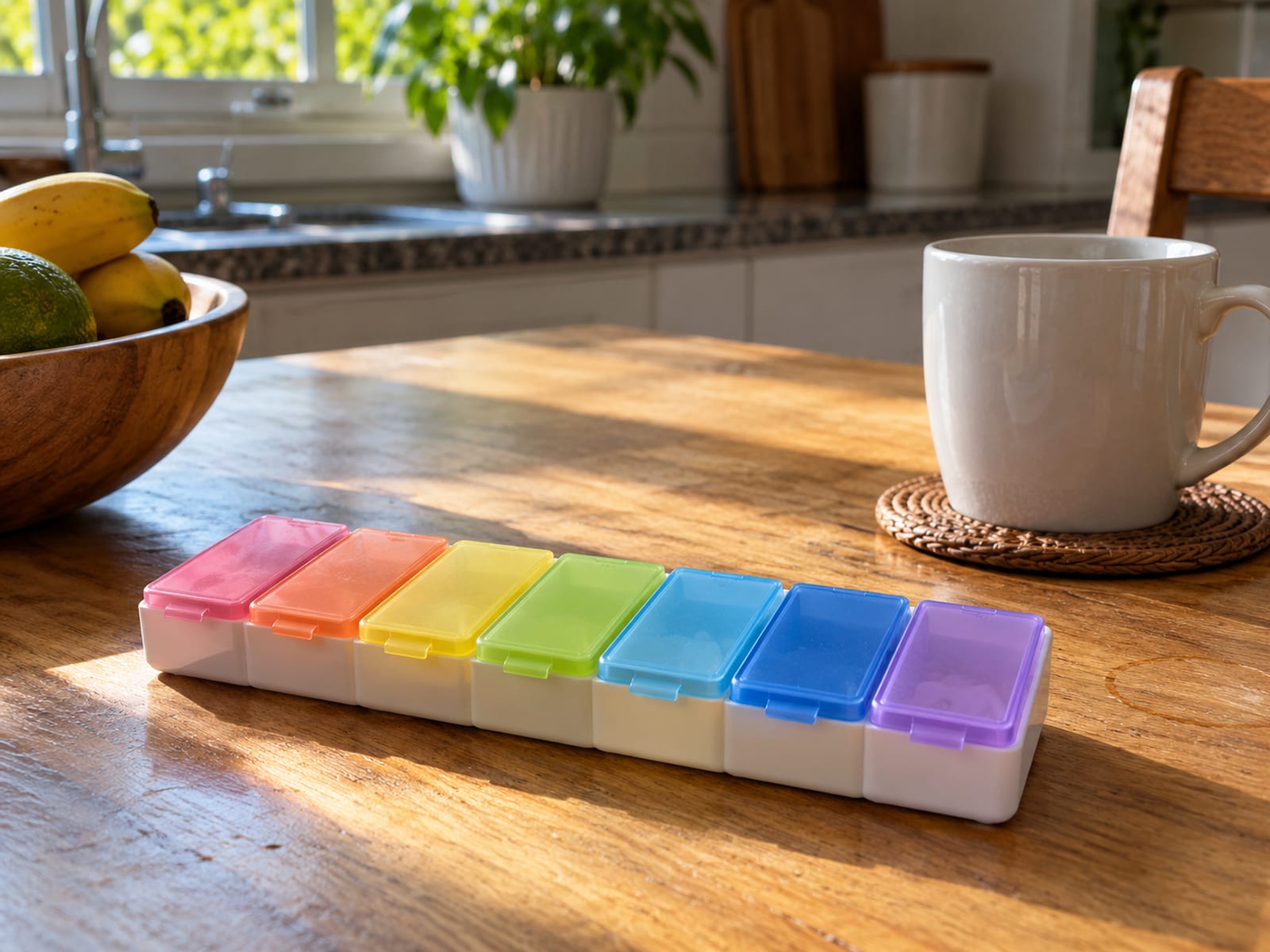
The same programme describes support for insulin syringes, pen needles and free insulin penfill applicators under the diabetic supplies programme. It also publishes up to four HbA1c tests each year for NHF beneficiaries enrolled for diabetes, with one test allowed every 90 days. The NHF programme page also lists devices and distributors, including Advocate Redi-Code Plus, Goodlife AC-300, Accu-Chek Instant, CareSens N, CareSens N Mini, Standard Diagnostic Codefree and Vivachek Ino.
The practical steps are:
NHF customer-care numbers are published on the NHF diabetes programme page. Ask NHF to confirm the current process, participating distributor and documents for your situation. If you do not have a card yet, see how to apply for and use the NHF card in Jamaica.
The NHFCard payment information explains that the NHF pays a fixed amount and the beneficiary pays the balance where a subsidy applies. For a free-glucometer benefit, the programme rules and eligibility still apply. For strips and lancets, the amount you pay depends on the provider’s retail price and the subsidy for the exact approved item and presentation.
The NHF Benefits Search lists approved strip brands and pack sizes with subsidy amounts (October 2026). Many approved strip products are listed in packs of 50 with a subsidy of J$1,693.01 per pack. Advocate Redi-Code 35-strip packs are listed with a subsidy of J$1,185.11. On-Call Plus examples include:
Approved lancets are listed with a subsidy of J$5.54 per lancet. The Benefits Search includes presentations and brands such as Accu-Chek Softclix, Advocate, Promisemed, Standard, Sterilance, Sure Comfort and Vitalcare.
A subsidy is not the same as the final retail price. Ask for the provider’s price for the exact pack, the NHF subsidy applied to that product and the remaining co-payment. Keep the meter model and product name with you when making the enquiry.
JADEP and private insurance
JADEP, the Jamaica Drug for the Elderly Programme, is published by the NHF as a benefit for eligible people aged 60 and older who use medicines on the JADEP drug list. The NHF states that JADEP participants pay J$40 per drug item, up to J$240 for six or more items dispensed from the JADEP list (NHFCard page, October 2026).
That rule concerns medicines on the JADEP drug list. The diabetic supplies programme separately covers glucometers, test strips, lancets and related supplies through NHFCard diabetes enrolment. If you are using JADEP, ask the NHF or the participating pharmacy whether the exact supply can be processed under a particular benefit. Do not calculate a glucometer, strip or lancet payment from the JADEP medicine charge alone.
Private insurance depends on your policy and insurer schedule. UTech Pharmacy’s payment information states that insurance cards and major credit and debit cards are accepted. Ask the pharmacy and your insurer whether the specific diabetic supply is covered.
Ask your insurer whether glucometers are covered, whether test strips are covered and which pack sizes qualify, and whether lancets are covered. Ask whether the benefit sits under pharmacy, medical equipment or another section, and whether a prescription or prior approval is required.
Also ask which suppliers or pharmacies may be used, and what deductible, co-payment, annual limit or reimbursement rule applies. Finally, ask whether NHF can be used with the insurance plan, and whether the provider will bill the insurer directly or you will receive a receipt for reimbursement.
GCT and the amount on the invoice
Jamaica’s General Consumption Tax system separates standard-rated, zero-rated and exempt supplies. The standard GCT rate is 15% under the current statutory framework. The Jamaica Customs Agency duties and taxes information explains the general treatment of goods and services, subject to specific classifications and exceptions.
The General Consumption Tax Act provides for zero-rated supplies at 0%, exempt supplies and tax treatment based on the legal classification of the particular good or service. The Jamaica Customs Agency CPC Guide places diagnostic reagents used for testing dextrose in the blood under a GCT-free code.
For each glucometer, lancet, strip brand or diabetic kit, ask the provider to say whether the quoted amount is:
- GCT-inclusive.
- GCT-exclusive.
- Zero-rated.
- Exempt.
- Subject to another classification shown on the invoice.
Tax Administration Jamaica handles GCT registration and tax compliance. Its Tax Administration Jamaica information can help with general tax questions, while the provider should explain the treatment of the specific item and amount being sold.
Payment routes and visit planning
Payment options vary by provider and service. Fontana Pharmacy’s payment information states that its online store accepts credit and debit cards, including MasterCard, Visa and Keycard. Its curbside service is described as card-only.

Prime Medical’s payment information lists cash, credit and debit cards, online payments, bank transfers and major health insurance. It also describes situations where payment is made at the time of service and an insurance claim follows.
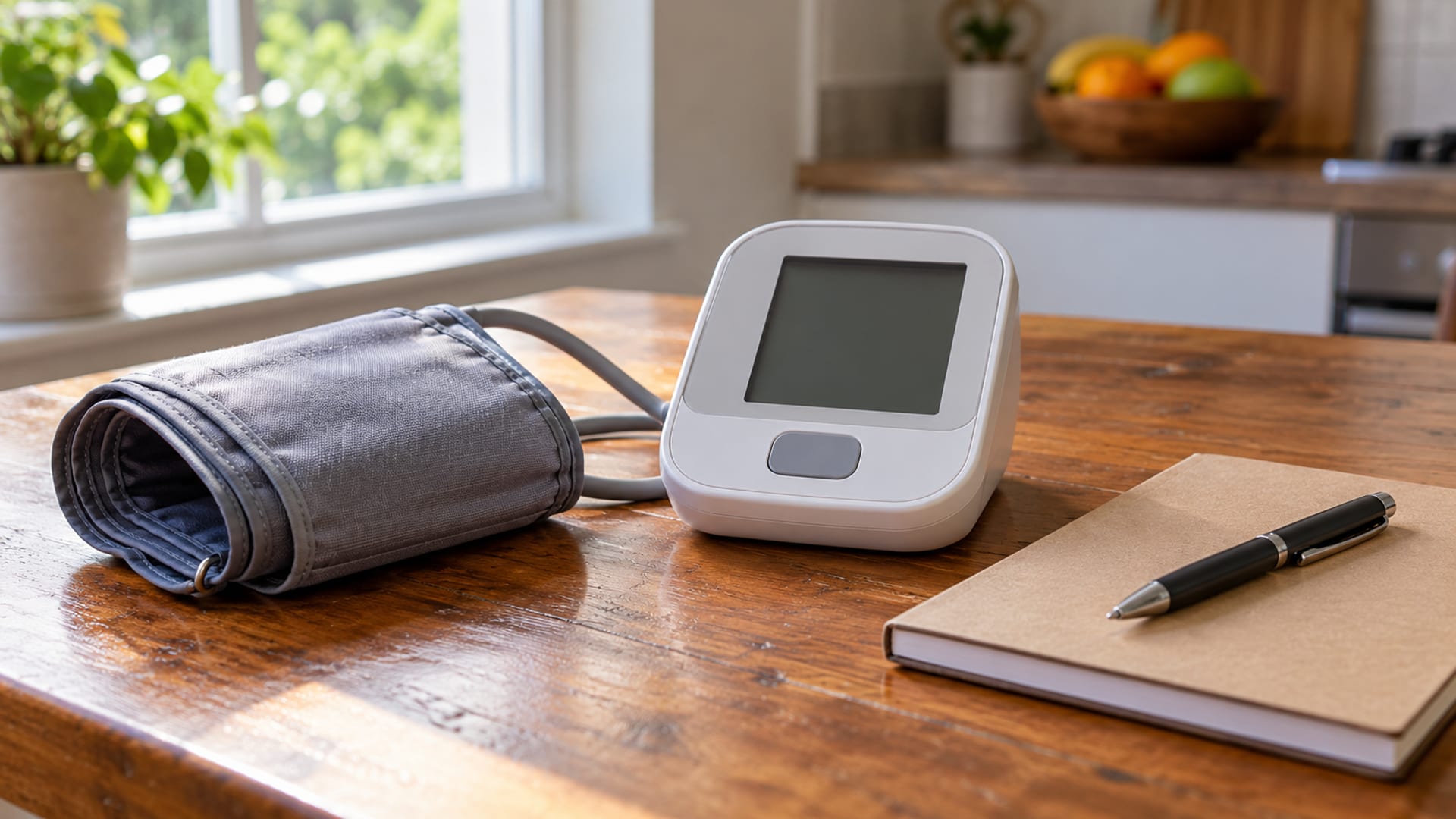
For a larger purchase, ask whether an instalment or payment-plan option is available. Also ask about accepted card types, bank transfer details, online payment, receipts and whether an insurer is billed directly. Ask each pharmacy whether it processes NHF and JADEP at that location. If you are also pricing a home monitor, see blood pressure monitor prices in Jamaica.
When arranging a visit, keep the enquiry focused on the item you need to price. Give the meter brand and model, the compatible strip and lancet name, and the pack size or quantity. Ask for the current selling price, the currency of the quoted price and the GCT treatment.
Then cover the coverage side: NHF processing at that location, the NHF subsidy and final co-payment, and private insurance acceptance for that exact item. Finally, ask about collection, delivery and delivery fee, ordering arrangements, warranty or replacement terms, and payment methods and any instalment option.
The NHF provider guidelines explain that NHF pays the approved subsidy and the beneficiary pays the difference between the retail price and the subsidy. The NHF healthcare professional guidelines are useful when a provider needs to process the benefit.
For equipment and consumables, start with the medical supply stores page. For a pharmacy enquiry, start with the pharmacies page, confirm the branch’s current hours and contact route, then ask about the exact product and payment arrangement. For a late evening or public holiday, see getting a prescription filled at night or on a public holiday in Jamaica.
Check a pharmacy with the Pharmacy Council of Jamaica and a doctor with the Medical Council of Jamaica.
Common questions
How much is a glucometer in Jamaica?
Medical-supply stores and distributors set their own prices, so ask the supplier for the current Jamaican-dollar price, package contents and GCT treatment before paying. An eligible NHF beneficiary enrolled for diabetes may receive a glucometer free through a participating distributor, generally once every two years.
Does NHF cover glucometers?
Yes. The NHF publishes a free-glucometer benefit for eligible beneficiaries enrolled for diabetes through the NHFCard diabetes programme. The programme also states that the card must be used at least once for diabetic medication before a glucometer request is made, so confirm your enrolment and current eligibility with the NHF.
How much are test strips in Jamaica?
Ask the supplier for the price of the exact brand and pack size. The NHF publishes subsidies for approved brands and pack sizes, including J$1,693.01 for many 50-strip packs and different amounts for On-Call Plus 25-, 30-, 50- and 100-strip presentations. Your final payment depends on the exact pack, provider price, subsidy, GCT treatment and insurance arrangement.
Can JADEP pay for diabetic supplies?
JADEP applies to eligible people aged 60 and older using medicines on the JADEP drug list, with the NHF publishing a J$40 charge per drug item up to J$240 for six or more items. Ask the NHF or pharmacy about the exact glucometer, strip or lancet because diabetic supplies are described under the separate NHFCard diabetes programme.
Can private insurance be used with NHF?
That depends on your insurer’s policy, benefit category, limits and claim rules. Ask whether the exact meter, strip pack or lancet is covered, whether prior approval is needed, and whether NHF can be used with the plan or must be applied first.