How it works
Health centres in Jamaica: which services are free and how to use one
Health centres in Jamaica: find public services, free-care rules, clinic days, appointment details, regional contacts and questions to ask.
13 October 2026
On this page
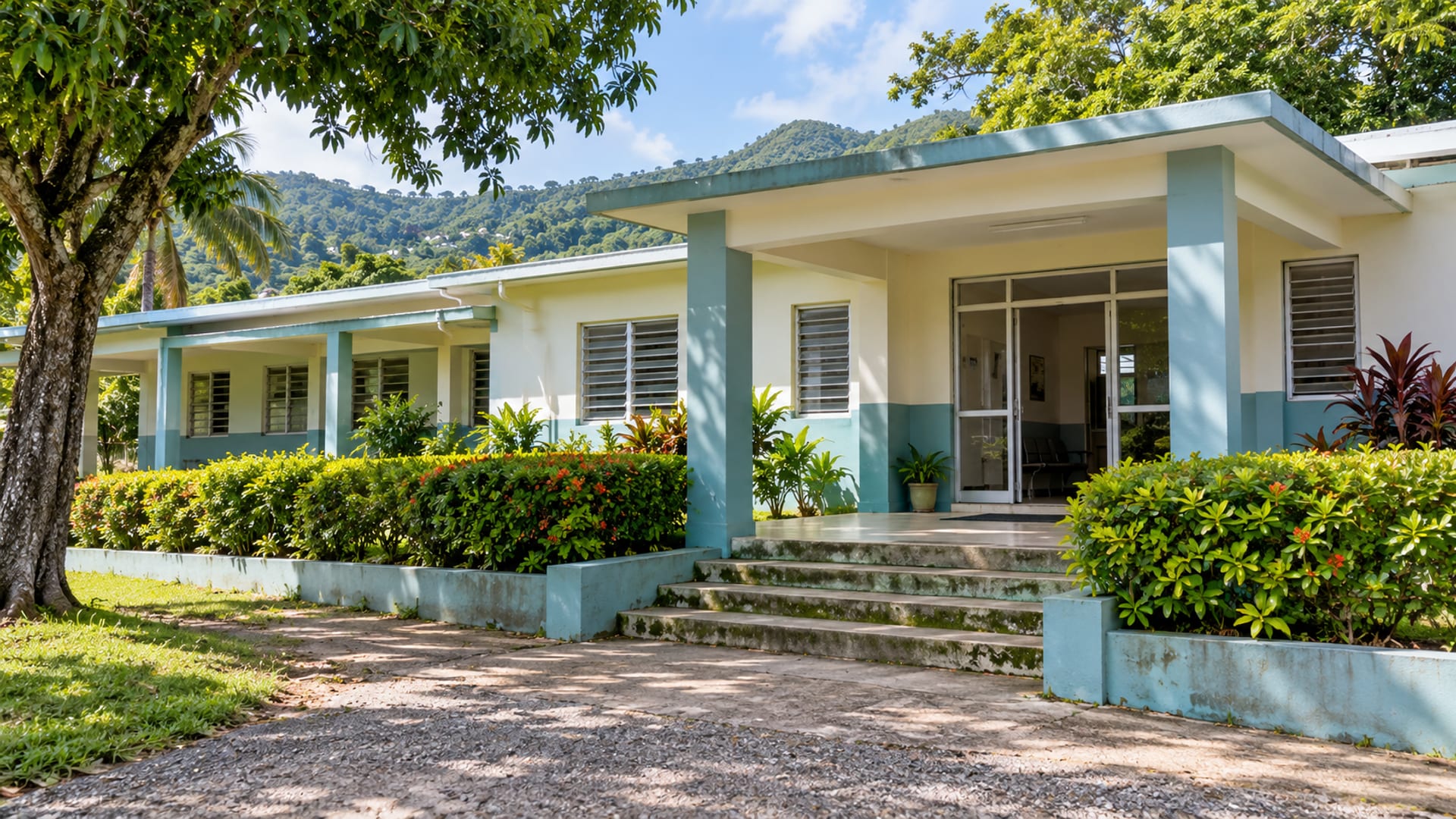
Public health centres in Jamaica provide primary care for defined communities and health districts. For most Jamaican public patients, public health-centre services are generally free, but the service, patient category and any administrative charge still need to be confirmed with the facility. Start by finding the health centre for your parish, then check the exact clinic day, opening hours, appointment rule and documents to bring.
Find the right health centre for your parish
The health-centre system is organised through four regional health authorities:
- South East Regional Health Authority, or SERHA, covers Kingston, St. Andrew, St. Catherine and St. Thomas.
- North East Regional Health Authority, or NERHA, covers St. Ann, St. Mary and Portland.
- Southern Regional Health Authority, or SRHA, covers Clarendon, Manchester and St. Elizabeth.
- Western Regional Health Authority, or WRHA, covers Trelawny, St. James, Westmoreland and Hanover.
Search by parish first, then by town, health district or facility name. Regional directories commonly provide the facility address, telephone number, type, opening days, general hours and listed services. You can also use the Ministry of Health and Wellness parish health-department contacts when you need help identifying the correct public facility.
To compare nearby medical locations, see Medical centres and clinics. For a public health-centre visit, however, the responsible regional authority and the particular facility remain the right places to confirm the current clinic arrangement.
What the health-centre types mean
Older Ministry classifications used Types 1 to 5. The Ministry's 2015 national list grouped facilities into community health centres, district health centres, parish health centres, Type 5 facilities and rural maternity clinics. Community health centres were formerly Types 1 and 2. District health centres were formerly Type 3. Parish health centres included Type 3 facilities in parish capitals and Type 4 facilities. Type 5 facilities had the broadest expected range of primary-care services. These categories are described in the Ministry's 2015 national facility list.
Regional pages still use Type 1, Type 2, Type 3, Type 4 and Type 5 labels. They also use “Satellite” for smaller service points. The type gives you an indication of the expected level and range of primary-care services, but it is not a daily schedule. A listed service may operate only on selected days, depend on staffing or be arranged through a clinic schedule.
For example, NERHA facility pages show different combinations of maternal and child health, curative care, dental services, nutrition, mental health and laboratory services across different types of centres. WRHA also lists Montego Bay Comprehensive as Type V on its St. James facility page. You can check an example of this regional presentation through the NERHA health-centre pages and the WRHA St. James facilities.
Services public health centres may provide
The exact service list belongs to the individual facility. Depending on the centre and its clinic schedule, published services may include curative or treatment clinics, maternal and child health, antenatal and postnatal care, and child welfare and well-child services. Immunization, family planning, chronic-disease care and adult wellness and screening may also be listed.
Other published services may include dental and oral-health services, nutrition, mental-health and psychiatry clinics, and men's and adolescent clinics. Some centres list HIV, STI and contact-tracing services, laboratory and diagnostic services at selected centres, environmental health, food-handler clinics and health education and promotion. Larger facilities may also offer referrals and selected clinics.
A smaller Type 1 centre or Satellite service point may publish only maternal and child health on certain days. A Type 2, Type 3 or Type 4 centre may list more services, while a Type 5 facility may have a wider primary-care programme. The type alone does not tell you that a particular clinician, test, clinic or service will be available on the day you visit.
The Ministry's primary-care booklet describes maternal and child health, treatment and dental clinics at district health centres as daily services in its proposed model, with both walk-ins and appointments seen. It also describes mental health, nutrition, palliative and rehabilitative services as scheduled services that may use appointments for walk-ins and referrals. The primary-care booklet gives the framework, while the facility gives the current arrangement.
If you need a pharmacy after work, on a Sunday or during a public holiday, see Pharmacies and confirm the branch's opening hours and service availability directly. An opening time shows when the premises is expected to open, not whether a particular pharmacist, medicine or service will be available.
Are health-centre services free?
The Ministry of Health and Wellness states that user fees for public health facilities were abolished in 2008. In its 2018 clarification, the Ministry said Jamaican public patients who do not fall into the private-patient, insured-patient or non-resident categories continue to access public health services without charge. The Ministry's public user-fee clarification explains this policy.
That does not make every service or every administrative item free for every person. The Ministry identifies private patients, insured patients and non-residents as categories that may be charged. A food-handler permit is one example of an administrative service with a published historical fee. A July 2018 Ministry notice reported J$1,000 for food-handler permits for non-residents, private patients and insured patients. Treat that amount as an old 2018 figure, not as the current fee. Ask the health centre or parish health department for the current fee, the patient category it applies to and what the payment covers.
The Ministry's fee notice for non-residents and private patients also separates public-patient access from charges that may apply to other categories. If you are visiting Jamaica, using private insurance or attending as a private patient, ask about the applicable charge before travelling. Private hospitals set their own charges, so ask for a written private hospital surgery estimate in Jamaica before booking an operation.
Childhood vaccines provided by the government are free at public health centres and hospitals, as stated on the Ministry's childhood vaccination information. Check the childhood vaccine schedule and immunization card in Jamaica before the clinic visit. The Ministry's influenza information describes free vaccination at public facilities for specified priority groups, while other members of the public may be directed to private vaccination services. Check the influenza vaccination guidance for the programme conditions that apply.
How to check the clinic day and appointment rule
Opening days and clinic days vary widely. Some facilities operate Monday to Friday. Smaller facilities may open on particular days of the month, and selected centres may provide extended curative hours. The Ministry has published information about extended health-centre opening hours, but an extended-hours notice does not establish that every service operates during those hours. In an emergency, go to the nearest emergency department; it helps to know what to bring to a public hospital emergency department in Jamaica.
NERHA's directory explains that clinic schedules give dates and times for services. Some centres combine antenatal, postnatal, child-health and family-planning clinics monthly or quarterly. The NERHA service directory can help you identify the relevant clinic and scheduled day.
Before travelling, identify four details:
- The facility name and telephone number.
- The exact service or clinic you need.
- The day and time that clinic operates.
- Whether the visit is a walk-in, an appointment or both.
Then ask about registration, the documents to bring and any fee. The clinic schedule may be correct for its stated period while a temporary relocation, staffing change or service adjustment affects the date you intend to visit.
What to bring and what to ask
Bring any clinic card, immunization card, referral letter or public-health record that the centre has previously issued. Ask the facility whether identification is required for the particular service, especially when registering a child or arranging an administrative service. There is not one document rule for every health-centre service, so the records desk or clinic desk should give you the current instruction.
Use these questions when speaking with the health centre, parish health department or regional authority:
The SRHA health-centre directory is organised by parish and health district. WRHA publishes parish facility pages, and the Ministry's contact page provides national and parish health contacts. These regional structures are useful when the nearest centre is not the correct location for the service.
Dental, environmental and other scheduled services
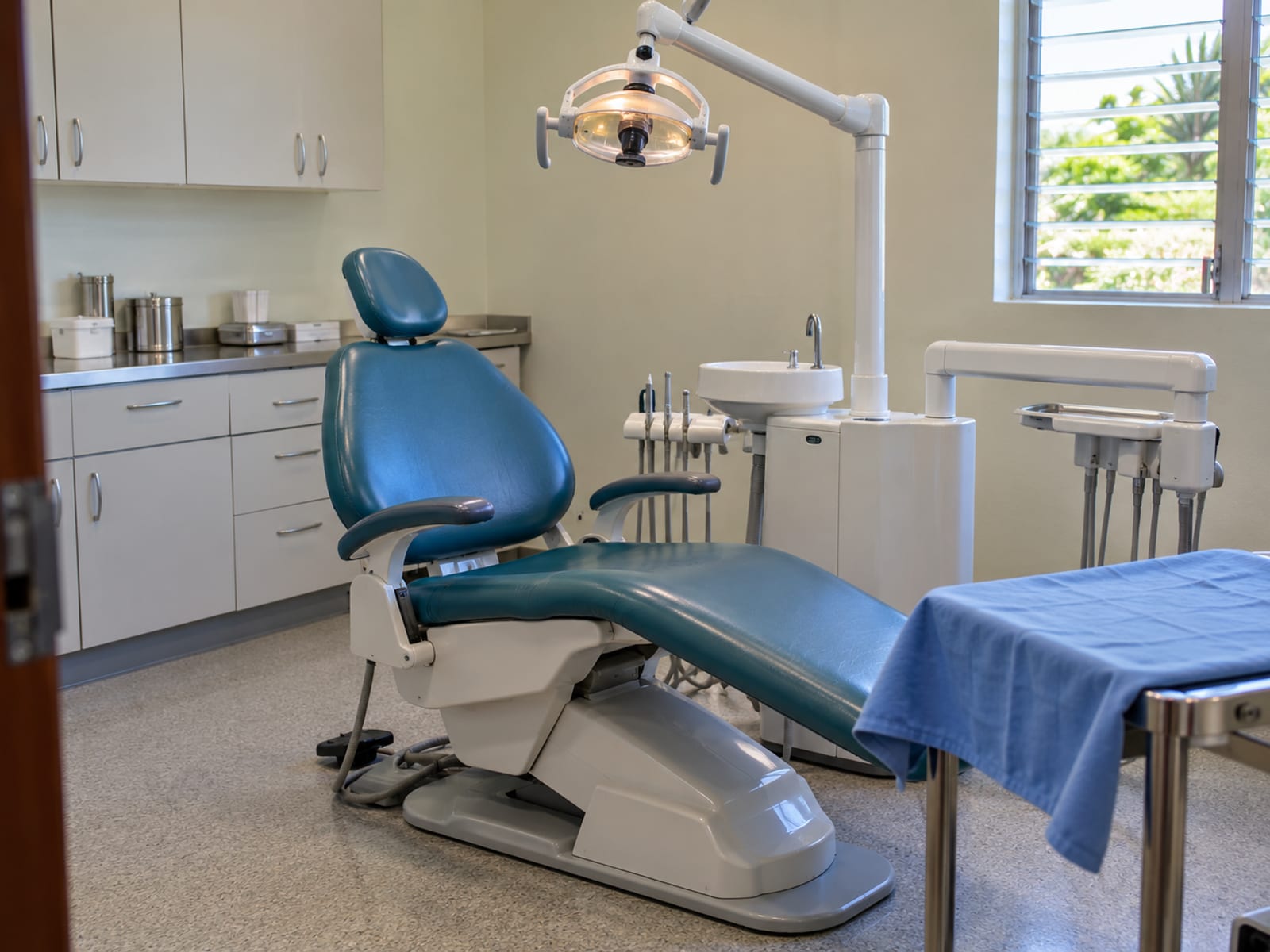
Dental services may be available at selected public health centres and other public facilities. The Ministry's public dental-service information lists dental locations by parish. Ask the dental clinic whether it accepts walk-ins, how registration works and whether the service you need is held on the day you plan to attend.
Environmental-health services and food-handler clinics also follow facility-specific arrangements. The WRHA publishes environmental-health clinic locations, while the local health department can provide the current permit fee, payment method, documents and clinic date.
Laboratory services are available at selected centres, not as a universal feature of every health centre. If a test is arranged, ask the laboratory or clinician for preparation instructions for that specific test.
If you also need medicines through an NHF programme, the National Health Fund's NHFCard information covers programme details and participating locations. NHFCard arrangements are separate from the question of whether a health-centre consultation or public clinic is free.
Common questions
Are clinics in Jamaica free?
Public clinics at government health centres are generally free for Jamaican public patients under the Ministry's user-fee policy. Charges may apply to non-residents, private patients, insured patients or administrative services, so ask the centre for the current fee and what it includes.
Is there free healthcare in Jamaica?
Jamaica provides free public-health services for eligible Jamaican public patients. Government childhood vaccines are free at public health centres and hospitals, while influenza vaccination is free at public facilities for specified priority groups.
What services do health centres offer in Jamaica?
Services vary by facility, type, region and clinic day. They may include treatment, maternal and child health, immunization, family planning, chronic-disease care, dental services, mental health, nutrition, environmental health, food-handler clinics and selected laboratory services.
Do I need an appointment at a health centre in Jamaica?
Not always. The primary-care model includes walk-ins and appointments for some district-centre clinics, while scheduled services such as mental health and nutrition may require an appointment. Ask the specific centre whether walk-ins are accepted for the service you need.
Which public health authority covers my parish?
SERHA covers Kingston, St. Andrew, St. Catherine and St. Thomas. NERHA covers St. Ann, St. Mary and Portland; SRHA covers Clarendon, Manchester and St. Elizabeth; WRHA covers Trelawny, St. James, Westmoreland and Hanover.
See health places in Jamaica to find the place-type or parish page for the area you are looking in, then contact the facility for the current service and clinic details.