Prices and fees
How much it costs to see a doctor in Jamaica (private, public and walk-in)
How much it costs to see a doctor in Jamaica, with private, public and walk-in fees, insurance rules, certificates and questions to ask first.
27 October 2026
On this page
The cost of seeing a doctor in Jamaica depends first on whether you are using a public facility, paying a private provider, attending a walk-in clinic, or using insurance or a health plan.
Named private consultation fees run from J$500 (reported by Jamaica Information Service in October 2025) to J$5,000 (as listed on 28 October 2026), while Jamaican public patients without insurance may access public health services without a user fee under the Ministry of Health and Wellness policy. Before you travel, settle your patient category, current fee, appointment requirement and what the charge includes.
Private doctor consultation prices in Jamaica
Private fees vary by provider, location, appointment format and consultation length. A published price may cover only the doctor’s assessment, while forms, tests, procedures, certificates or other services may cost separately.
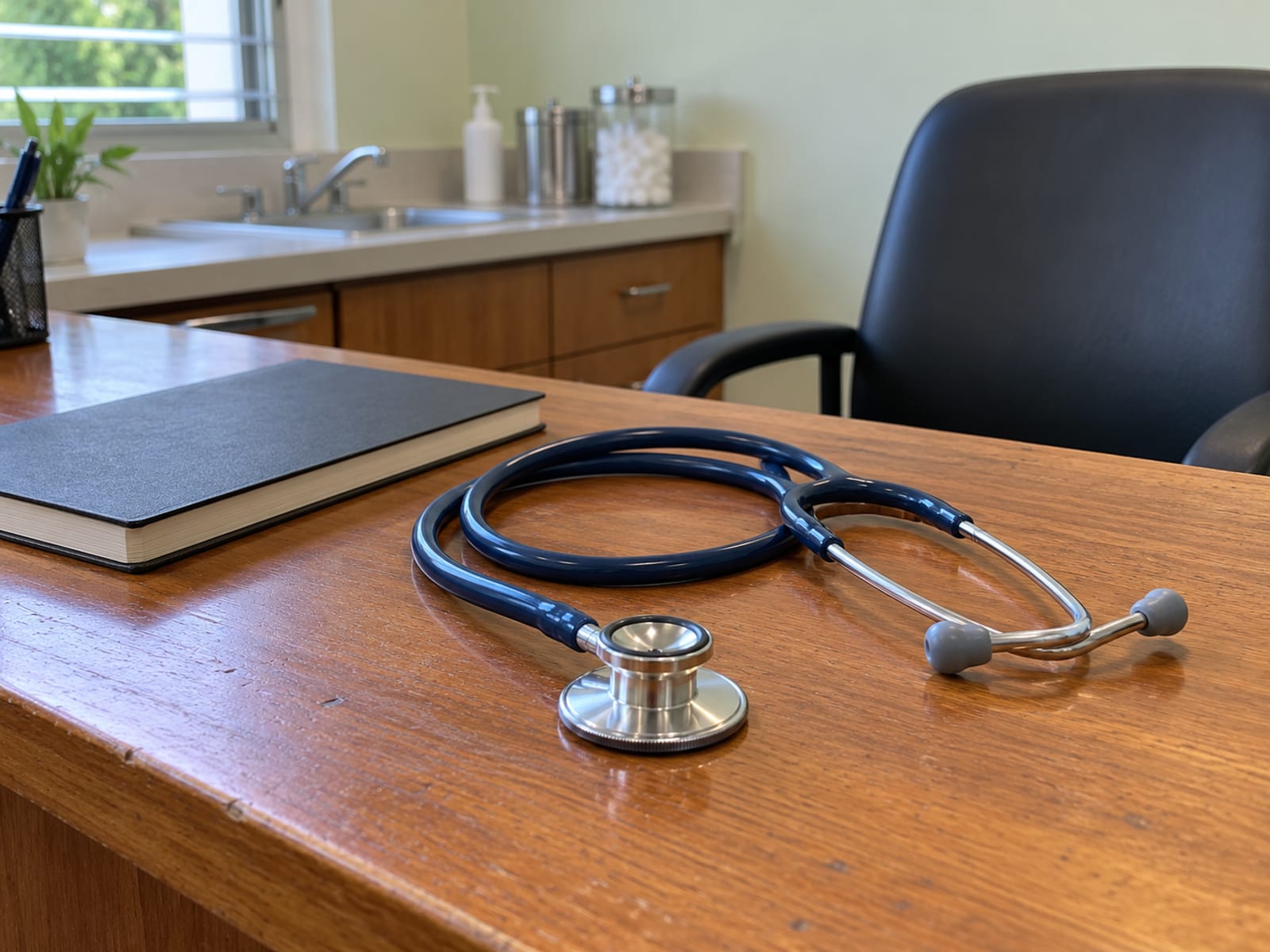
Jamaica Information Service reported on 19 October 2025 that Dr. Nagamalleswara Rao Chandolu charged J$500 per consultation. Ask the provider whether the amount remains current, whether GCT is included, what the appointment covers and whether the price differs for visitors, insured patients, children or adults. Read the Jamaica Information Service consultation report for the dated fee.
Medi Connect Urgent Care in May Pen lists general consultations from J$3,500, as listed on 28 October 2026. Additional procedures or tests may carry separate charges. The clinic states that walk-ins are welcome during its clinic hours and asks patients to bring valid identification and any previous medical records, prescriptions or referral letters if available. Ask whether a walk-in can be seen that day and whether the starting price is the complete consultation charge. The clinic’s published consultation and walk-in information gives the provider’s stated terms.
Pembrooke Family Medicine in Montego Bay lists a J$4,000 general consultation lasting 30 minutes, as listed on 28 October 2026. Before arranging the appointment, ask whether GCT is included, whether the fee changes for a visitor or insured patient, and whether additional forms, tests or procedures cost extra. The Pembrooke Family Medicine booking page identifies the listed consultation format and price.
Dr. Amanda Johnson lists online general consultations from J$5,000, as listed on 28 October 2026. Her service is a private video consultation. Ask whether the amount is the full charge and whether the price differs for residents and non-residents, and compare what an online doctor consultation costs in Jamaica with other providers. The online doctor service details describe the published service.
These examples run from J$500 to J$5,000, but they are not a national private fee range. They involve different providers, locations, appointment lengths and service formats. A fee that suits one appointment may not cover a certificate, imaging, laboratory work or another service requested during the visit.
If you are comparing private clinics, ask for the current total in Jamaican dollars and request a clear explanation of what is included before you attend. A provider may quote a starting fee rather than a final amount for every service.
What a Jamaican public patient may pay
The Ministry of Health and Wellness stated on 16 August 2018 that Jamaica’s no-user-fee policy remained in effect for Jamaican public patients without insurance. The Ministry also stated that fee increases applied to private patients, insured patients and non-residents. Read the Ministry’s public hospital user-fee notice before relying on a public-facility fee category.
For public care, your category matters:
- A Jamaican public patient without insurance may access public health services without a user fee under the Ministry’s stated policy.
- A private patient is someone paying a specifically named doctor or dentist in a public hospital for private services.
- A patient referred to the institution rather than to a particular doctor is treated as a public patient unless otherwise stated.
- For an insured patient, the amount payable by the insurance company applies to the covered amount. Your coverage and any balance depend on the insurance arrangement.
- A non-resident is a person who does not live in Jamaica.
The National Health Services Fees Regulations, 1999 state that public non-resident patients receiving secondary care pay the actual cost. Private patients and patients covered under health insurance pay the fee applicable to a private patient resident in Jamaica. Read the National Health Services Fees Regulations and ask the public hospital or regional health authority for the current amount that applies to your visit.
The Ministry’s notice directs readers to the applicable regulations, regional health authorities or the local public hospital for the full fee schedule. That makes the facility’s current category and schedule important when you are comparing public and private care. For the patient categories that can pay more, see public hospital and health centre fees in Jamaica.
Jamaica Information Service describes public health centres and clinics as free to the public. Some hospitals that receive partial Government funding may require a registration fee. Ask the particular facility about registration, patient category and any applicable charge, and check which health centre services in Jamaica are free before you travel. The Government healthcare options information explains the public-care setting in Jamaica.
The public system is therefore not the same as a universal free-care rule for every patient, service or facility. A Jamaican resident using public care without insurance may fall under the no-user-fee policy, while a non-resident, private patient or insured patient may be charged under a different arrangement.
Walk-in clinics, health plans and monthly fees
A walk-in clinic can be useful when you need an appointment route that differs from a scheduled private practice, but the published opening hours alone do not establish that a doctor, test, procedure or appointment will be available when you arrive. Ask whether walk-ins are being accepted that day and what registration time to expect.
Medi Connect Urgent Care lists general consultations from J$3,500 (as listed on 28 October 2026) and states that additional procedures or tests may cost extra. Bring valid identification and any previous records, prescriptions or referral letters that relate to the visit if you have them.
A monthly health plan is different from paying a provider’s ordinary cash consultation fee. FirstCare Jamaica publishes a monthly price of J$2,500 plus GCT for adults and J$1,500 plus GCT for children, as listed on 28 October 2026. It advertises unlimited general-practitioner visits with no out-of-pocket cost for members at participating in-network providers. The visit benefit covers the visit only, and additional services may attract charges. Review the FirstCare plan price and GP-visit terms and ask about participating providers, enrollment and extra services.
eHealth Jamaica lists a Gold package with separate monthly rates for adults and people under 18. It states that unlimited general-practitioner in-office visits have no upfront cost under the package. Ask the plan office for the monthly amount and its currency, whether GCT is included and what the current enrollment terms are. The eHealth Jamaica price plan describes the listed package.
A plan with no out-of-pocket cost for a covered visit can still have a monthly membership price. It may cover the visit only, while tests, procedures, certificates or other services are charged separately. Ask whether the provider is participating in the plan and whether the appointment type you want falls within the benefit.
Medical certificates and sick notes
Dr. Amanda Johnson lists a sick-leave assessment and medical certificate at J$5,000, as listed on 28 October 2026. The service is a 20-minute private video assessment, and the certificate is emailed where the doctor considers it clinically appropriate. The consultation includes the doctor’s assessment. The sick-leave certificate service describes the listed price and process.
The same provider lists a return-to-work or fitness certificate at J$5,000 on the same date. Ask whether GCT is included, whether an employer-specific form costs more and whether the certificate can be issued in the format your employer requires. A certificate depends on the doctor’s assessment and is not an automatic document.
Hazba Medical Center lists same-day certificates as a service and states that walk-ins are welcome. Ask the clinic for the current certificate fee, appointment route, documents required and whether an employer form attracts another charge. Its booking information for certificates and appointments identifies the service route.
Paying by cash, card, insurance or NHF benefit
Payment options differ between providers and branches. I-Kare Medical accepts cash, debit cards, credit cards and Jamaican health insurance, including Sagicor, Guardian Life and Canopy. Patients using insurance are asked to bring an insurance card and photo identification. Benefits, co-payments and pre-authorisation depend on the policy and procedure. Review I-Kare’s insurance and payment information before arranging the visit.
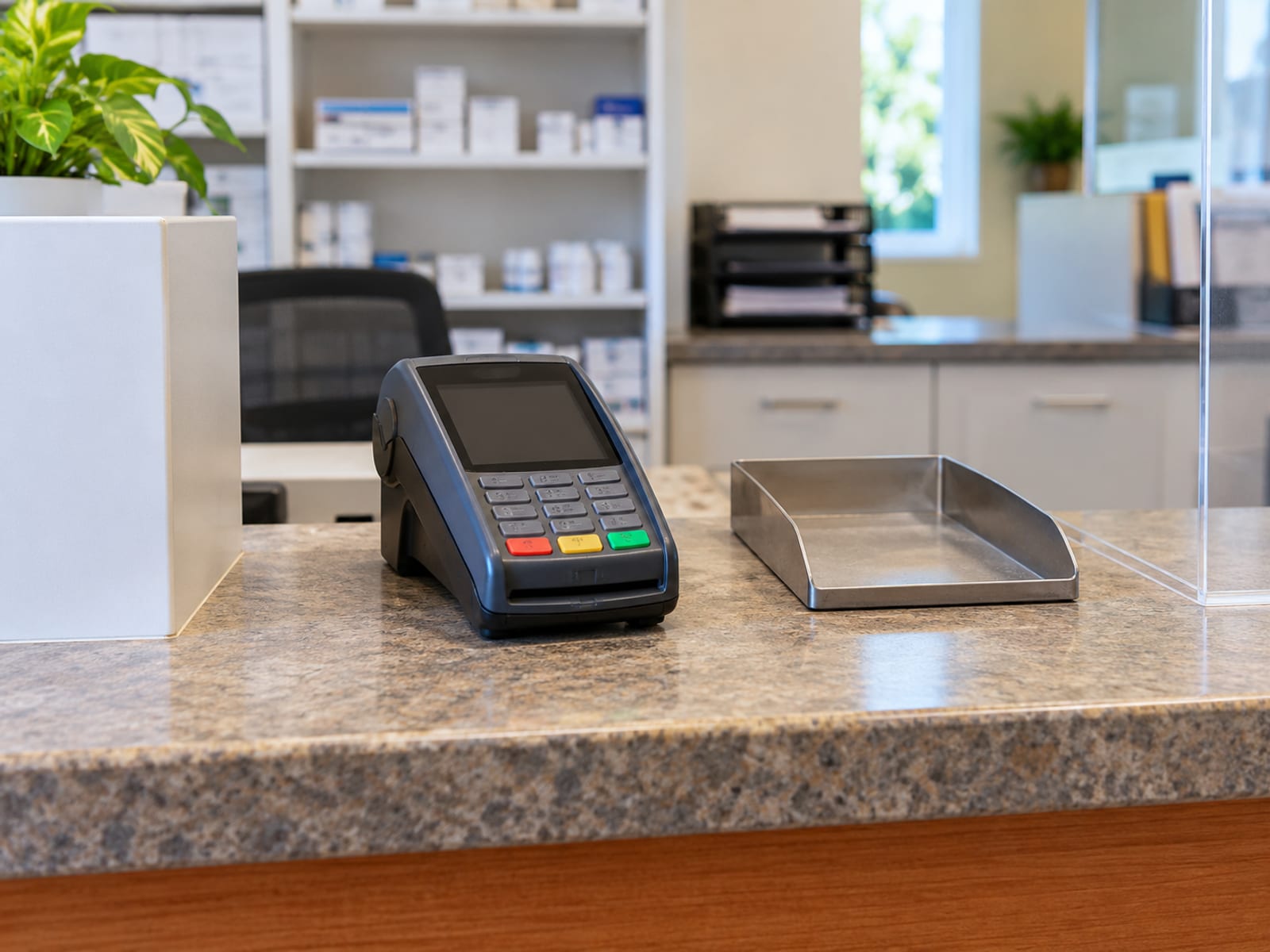
Winchester Heart Centre lists cash, cards and WiPay online. It names Sagicor, Guardian Life, Medecus and Canopy, provides itemised receipts and states that patients remain responsible for amounts not covered by their plan. Its insurance payment information explains the payment route.
Heart Smart Centre lists cash, direct deposits, debit cards and credit cards. It names Medecus, Sagicor and Canopy, and states that cheques and NCB Keycards are not accepted. The Heart Smart payment information gives its stated options.
Medi Connect Urgent Care states that it accepts major insurance plans, so ask which plans are accepted at the May Pen location and whether direct billing is available. A provider’s acceptance of one Jamaican insurer does not establish acceptance by every provider or coverage for every service.
The National Health Fund card is not a general payment method for every doctor visit. The National Health Fund states that the card can be used at participating pharmacies, laboratories and doctors’ offices for selected medicines, diagnostic tests and medical supplies. It pays a fixed subsidy, while the beneficiary pays the balance. Read the NHF card rules and subsidy information for the relevant benefit and participating-provider conditions.
For pharmacy, laboratory and medical supply errands, see pharmacies and medical laboratories and imaging near you, then ask about the particular service, payment route and current hours.
Using United States health insurance in Jamaica
There is no island-wide rule that every Jamaican provider accepts United States health insurance. Hazba Medical Center states that ordinary United States health insurance typically does not cover care in Jamaica unless it is an international plan. The clinic says it accepts major international insurance plans and works with insurers and intermediaries to coordinate care. Read the information for an international patient using insurance in Jamaica.
The Radiation Oncology Centre of Jamaica states that it accepts payments from overseas insurance companies and requires an insurance company letter of undertaking identifying the amount covered. The overseas insurance information gives an example of provider-specific requirements.
Before attending, ask both the insurer and the Jamaican provider whether the policy covers care in Jamaica and whether pre-authorisation is required. Ask whether the provider can bill the insurer directly or whether you must pay first and request reimbursement.
Also ask whether a letter of undertaking is required, what patient balance, deductible or co-payment may apply, and which documents and identification you should bring.
Questions to ask before you travel
Use these questions with the appointment desk, cashier or programme office. Start with access: do you need an appointment, or are walk-ins accepted? What appointment times are available, and how long should registration take? If you arrive without an appointment, will you be seen that day?
Then ask about the fee. What is the current consultation fee in JMD, and is GCT included or added? Does the fee cover only the doctor’s visit, or are medical certificates, employer forms, procedures, tests or imaging charged separately? Is the fee different for a non-resident, visitor, insured patient, child or adult?
Next, ask about payment and insurance. Which payment methods are available at this branch, and which insurance plans are accepted? Is direct billing available, or must you pay and claim reimbursement? Do you need pre-authorisation, a referral, an insurance card or valid identification?
Finally, ask what registration documents to bring and whether there is a fee to cancel or change the appointment. If preparation is needed for a particular test, ask what instructions the laboratory or clinician should provide.
The University Hospital of the West Indies directs patients to its appointment office for medical-clinic appointments and to customer service or cashier stations for procedure costs. Use the UHWI customer-service information to identify the appropriate office, then confirm the fee and registration route for your service.
If you are dealing with an emergency, go to the nearest emergency department or call 110. Do not wait for a call-back or a message.
Finding clinics and health services by parish
Jamaica’s 14 parishes have different travel distances, facility types and local appointment arrangements. When you are choosing a place, start with the area where you need care, then compare the service type, current contact route, appointment requirement, payment options and documents to bring.
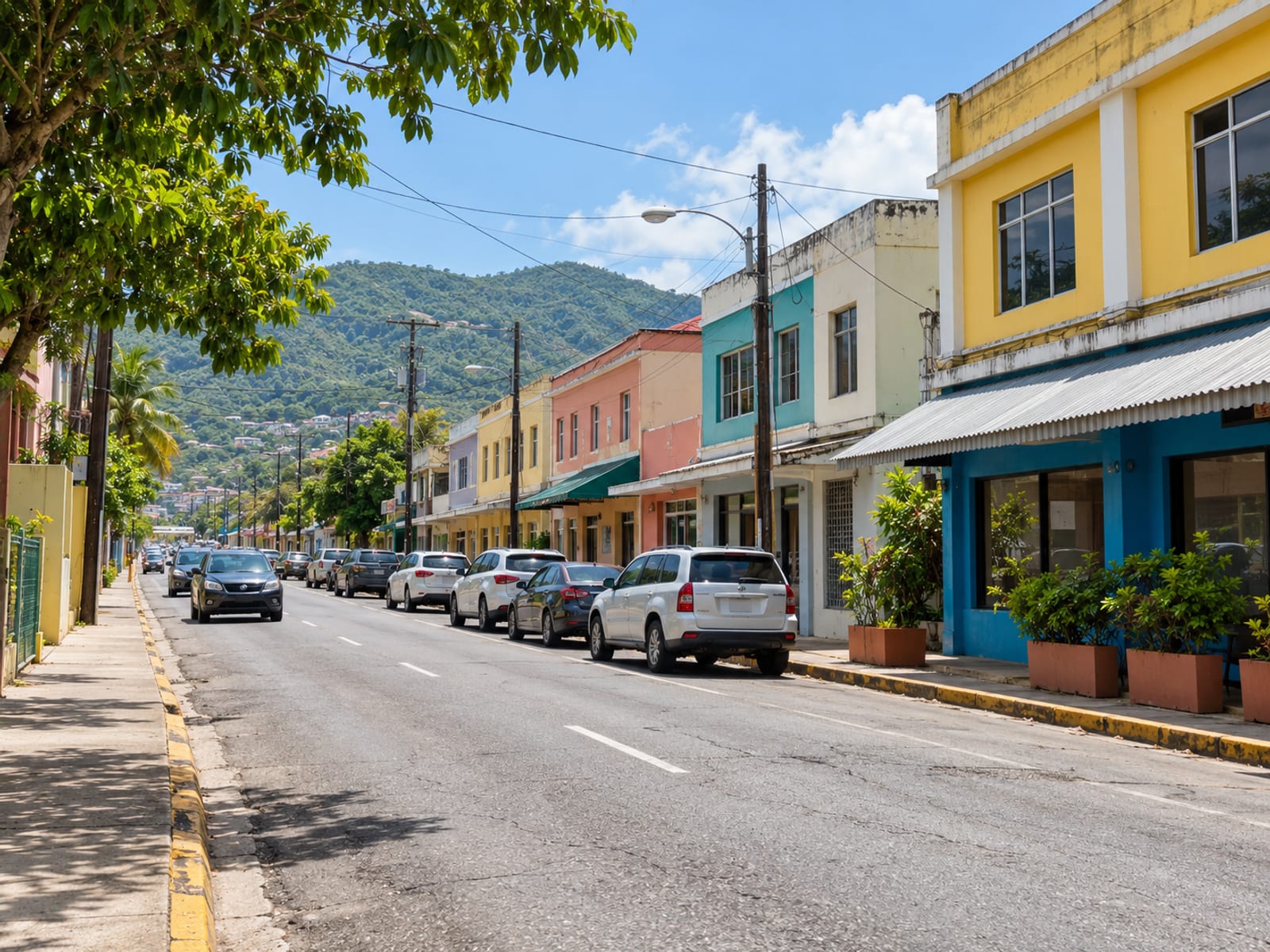
For Montego Bay and nearby communities, the St. James health places page can help you look by area. If you are arranging care in Kingston, use the Kingston health places page. Public and private options also appear across St. Andrew, St. Catherine, Clarendon, Manchester, St. Elizabeth, Westmoreland, Hanover, Trelawny, St. Ann, St. Mary, Portland and St. Thomas.
For a question about a professional’s status, use the Medical Council of Jamaica, Pharmacy Council of Jamaica or Dental Council of Jamaica as appropriate to the person or service.
Common questions
How much is a doctor visit without insurance in Jamaica?
Named private fees run from J$500 (reported in October 2025) to J$5,000 (as listed on 28 October 2026). A Jamaican public patient without insurance may access public health services without a user fee under the Ministry’s policy, while non-resident and private-patient charges follow different rules. Confirm the current amount and what it includes before attending.
Are clinics in Jamaica free?
Public health centres and clinics are described as free to the public, and Jamaican public patients without insurance may use public health services without a user fee. Some partially Government-funded hospitals may require registration fees. Private clinics and health plans use their own prices and membership terms.
Do they have free healthcare in Jamaica?
Jamaica has a public no-user-fee policy for Jamaican public patients without insurance, but it does not make every facility, patient category, service or private provider free. Non-residents, private patients and insured patients may fall under different charges, and NHF subsidies apply only to selected benefits through participating providers.
Does Jamaica accept US health insurance?
Some providers work with international insurance arrangements, but acceptance depends on the provider and the policy. Ask whether Jamaica is covered, whether pre-authorisation or a letter of undertaking is required, and whether you must pay first and seek reimbursement.
How much is a medical certificate in Jamaica?
As listed on 28 October 2026, Dr. Amanda Johnson charges J$5,000 for a sick-leave assessment and certificate, and J$5,000 for a return-to-work or fitness certificate. A different provider may charge another amount, and an employer-specific form may have separate requirements. Ask what the fee includes and whether GCT is added.
What is the lowest-cost way to see a doctor in Jamaica?
For a Jamaican public patient without insurance, a public health facility is the lowest-cost route under the Ministry’s no-user-fee policy, although registration charges may apply at some facilities. The named private examples run from the J$500 consultation reported by Jamaica Information Service on 19 October 2025 to J$5,000 as listed on 28 October 2026. Confirm that the fee is current and ask what the consultation includes.
For the place you need, see health places in Jamaica and choose the relevant place type or parish page before contacting the provider.