Planning a visit
Healthcare for returning residents in Jamaica: public and private options
Healthcare for returning residents in Jamaica, with public and private care options, NHFCard, insurance, import rules and visit-planning questions.
25 November 2025
On this page
Settle three things first: where you will seek care, how you will pay, and which documents you need. Jamaica has public health centres, hospitals and parish health services, alongside private clinics, pharmacies, laboratories, dentists and optical providers. Your practical choice will depend on the parish, service, appointment arrangements, insurance terms and programme eligibility.
If you are returning after years overseas, begin with your Jamaican identification, TRN status, insurance policy, medical records, medicine list and local address. Then contact the facility, insurer or programme office that controls the detail you need.
Start with the public health system
The Ministry of Health and Wellness describes Jamaica’s public health services through four Regional Health Authorities. Its parish and facility information includes public hospitals, health centres, facilities for particular services and other service categories across the island. You can begin with a public health centre, hospital or parish health department, then ask the facility about registration, referrals and payment arrangements.
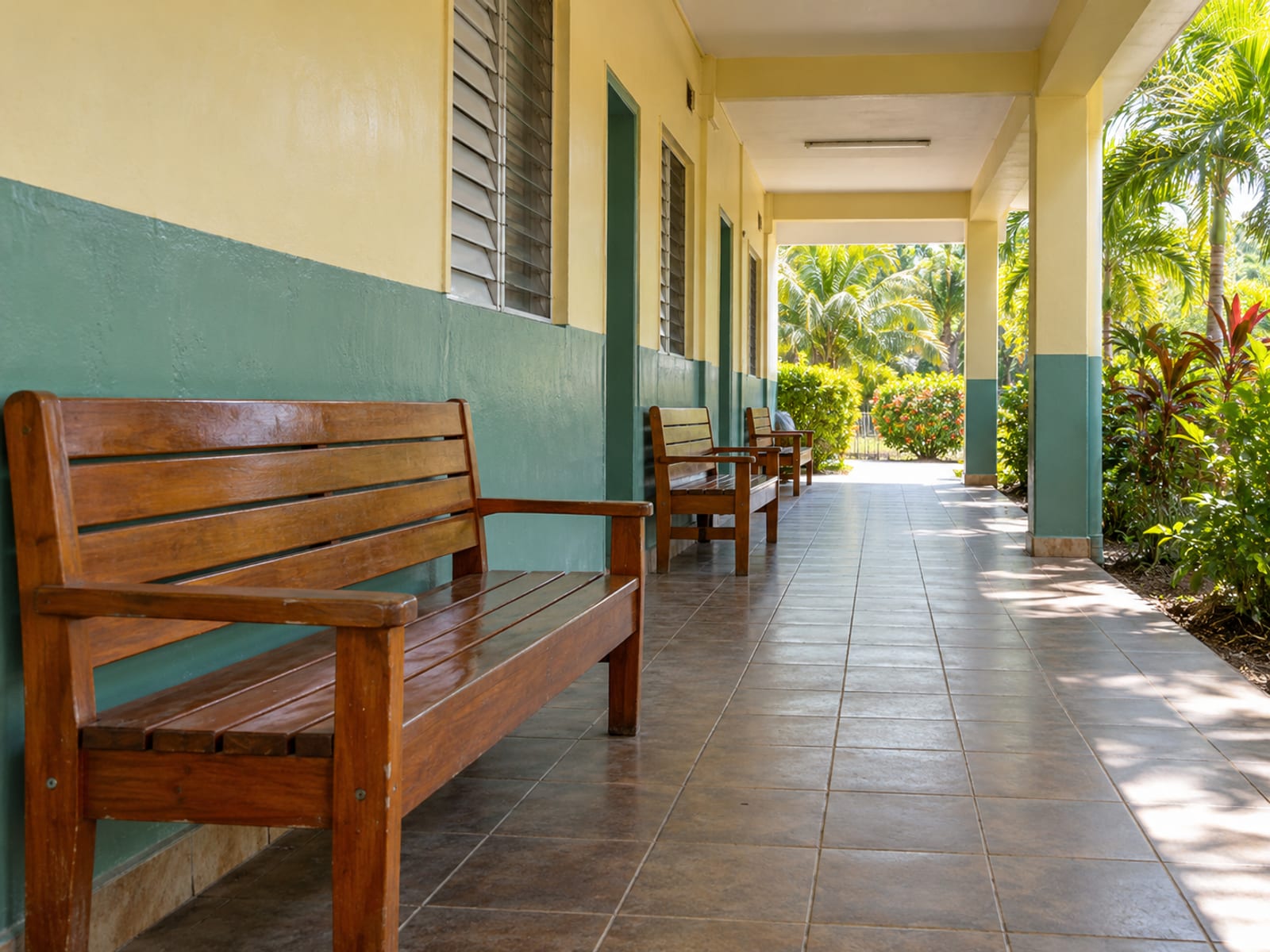
The public network is not arranged in exactly the same way in every parish. A returning resident may need to provide identification, address details, a TRN or referral information, depending on the facility and service. Ask the registration desk what is required before travelling. The relevant Regional Health Authority can answer questions about public-facility administration.
For local searching, you can compare medical centres and clinics and public or private facilities in Kingston, St. Andrew and other parishes. Ask the facility whether the service you need is available, whether a doctor is in on a particular day and whether you need an appointment.
If you need urgent care, go to the nearest emergency department or call 110 for Jamaica Fire Brigade emergency medical services. Do not wait for a callback or a message reply.
The NHFCard and JADEP
The National Health Fund provides the NHFCard for residents of all ages. It can subsidise selected prescription medicines, medical supplies and diagnostic services connected with covered conditions. The NHFCard is not general insurance, and it does not make every consultation, medicine, test or hospital service free.
The NHF’s application process requires a completed application, the applicant’s TRN, and certification by a doctor for chronic-condition benefits. The doctor must sign the application and provide a Medical Council of Jamaica registration number. A prescription or requisition is required where applicable, and the application is submitted at an NHFCard Centre. Read the National Health Fund’s card requirements before preparing your documents.
The NHF says all applicants, including senior citizens, require a TRN. If you cannot obtain one, ask the NHF about the TRN Waiver Programme. Photo identification forms part of the enrolment guidance, so confirm which identification documents the NHF will accept for your application. For the full application route, see how to apply for the NHF card in Jamaica and use it at the pharmacy.
JADEP is integrated into the NHFCard. Residents aged 60 or over qualify for JADEP benefits when they meet the programme’s covered-condition requirements. The programme provides a 100 per cent subsidy for specified medicines for 10 chronic illnesses. The pharmacy dispensing fee shown on the NHF’s page in October 2026 is J$40 for one item, increasing to J$240 for six or more items. These are JADEP programme rules and should be confirmed with the NHF or participating pharmacy before you rely on them.
You can ask the NHF whether your condition and medicine fall within the covered benefits, and which NHFCard Centre should receive your application. Ask what identification to carry and whether you can use the TRN Waiver Programme.
It is also worth asking which pharmacies, laboratories or other providers participate, and what prescription or requisition is required.
To find a pharmacy near you, see pharmacies by parish and town. Ask the pharmacy whether it accepts NHFCard or JADEP benefits for the particular item and what dispensing fee applies.
Choosing private care and insurance
Private care may include a clinic, doctor’s office, private hospital, laboratory, pharmacy, dental practice or optical provider. You may pay directly, use local insurance, use an international plan or claim reimbursement from an overseas insurer.
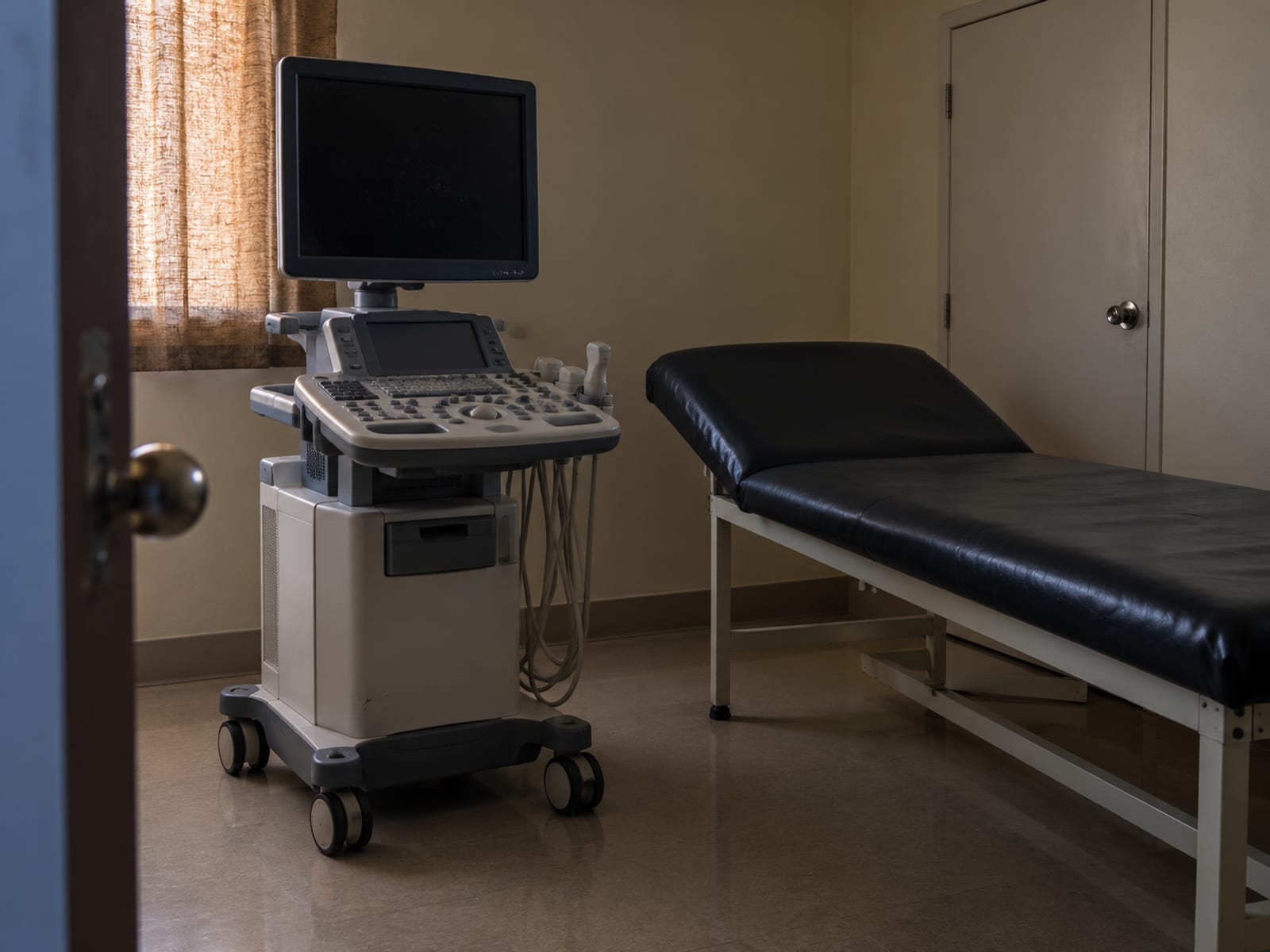
Local individual plans issued in Jamaica may include some combination of outpatient visits, hospital care, surgery, medicines, laboratory services, dental care and optical care. Sagicor’s Executive Health and Executive Health Plus pages describe individual plans for people aged 19 to 64. The Executive Health Plus schedule includes premiums, waiting periods and exclusions, including a 12-month waiting period for pre-existing conditions, surgery, major diagnostics and hospitalisation except emergencies. Read the published Executive Health Plus schedule for the policy wording that applies to that product.
Sagicor also states that NHF and JADEP benefits may be coordinated with its insurance benefits. Coordination does not mean that every service, medicine or provider will be covered. Ask the insurer how the benefits work together, what authorisation is required and whether you must use a participating provider.
Other products have different eligibility rules. FirstCare describes a Jamaica medical membership plan with Jamaica and United States options and states that FirstCare Medical is not insurance. Its prices as published in October 2026 are J$2,500 plus GCT monthly for FirstCare Jamaica, J$3,000 plus GCT for FirstCare USA and J$5,000 plus GCT for FirstCare Plus, with separate child prices. These are membership-plan prices, not insurance premiums and not a promise that medical bills will be paid. Review the FirstCare membership terms before joining.
International plans may cover care in Jamaica and other countries. AXA Global Healthcare describes annual and short-term international options for people living in Jamaica. International products listed by John Galt can have different hospital, outpatient, geographic and age limits. Ask for a dated quote, policy schedule and written explanation of exclusions.
Before choosing a plan, ask whether Jamaica is included in the geographic area, and whether the product is insurance, a membership programme or a discount arrangement. Ask whether outpatient visits, hospitalisation, medicines, laboratory services, dental and optical care are covered, and what age limits apply.
Next, ask what waiting periods and exclusions apply and how pre-existing conditions are handled. Ask whether prior authorisation is required and whether the provider can bill the insurer directly.
Finally, ask what documents are needed for reimbursement if you pay first, whether emergency evacuation and repatriation are included, and whether NHF or JADEP benefits can be coordinated with the plan.
You can read more about health insurance costs and cover in Jamaica when comparing self-pay with an individual plan.
Bringing medicines and medical devices into Jamaica
If you are arriving with medicines, medical equipment or devices, check the import requirements before travel. Jamaica Customs says personal items require valid identification, a TRN, a bill of lading or airway bill, an invoice where applicable, and an import permit or licence where applicable. Customs also states that duties and taxes may apply.
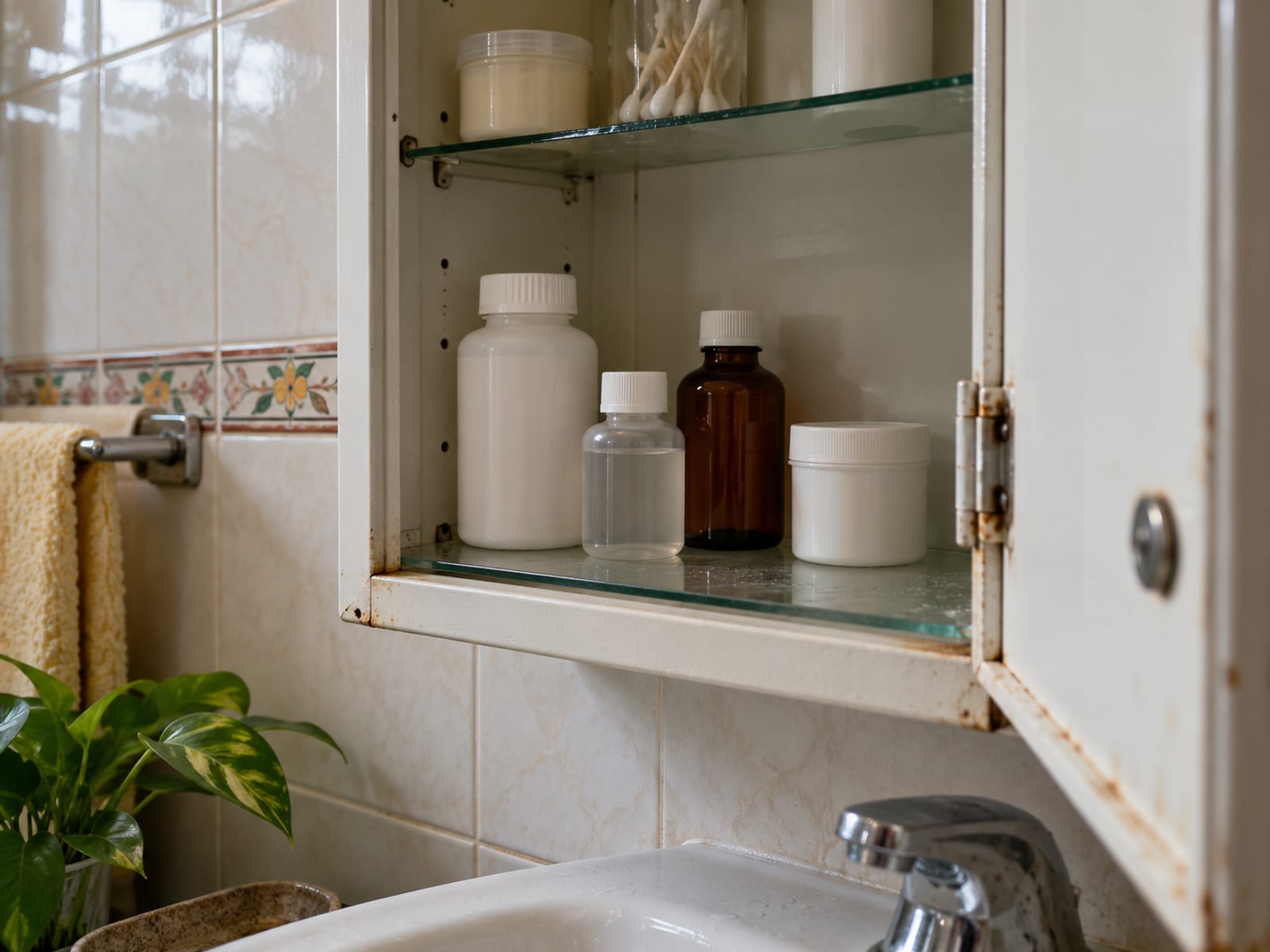
For a medical device or medicine that requires an import permit, Customs directs you to obtain the permit from the Ministry of Health. Its personal medical import procedure explains that process.
The Ministry of Health and Wellness regulates products covered by the Food and Drugs Act. Its categories include prescription and non-prescription medicines, herbal preparations, vitamins, minerals and medical devices. Different permit forms apply to controlled substances, foods and drugs, cosmetics, chemicals and medical devices. Read the Ministry’s regulated products and permits information before bringing an item that may be controlled or regulated.
Keep medicines and equipment in labelled packaging, with prescriptions, invoices, product information and supporting letters available where relevant. Ask the Ministry’s Pharmaceutical and Regulatory Affairs or Import Permit Processing office whether your medicine or device requires a permit, which permit form applies, and whether a doctor’s letter, prescription or invoice is required. Ask whether the permit must be obtained before departure.
Also ask what quantity is permitted for personal use, whether Customs will charge duties or taxes, and whether there are special rules for controlled, narcotic or psychotropic medicines.
The Jamaica Customs personal-items requirements explain the documents connected with personal effects. Requirements for an item brought for personal use can differ from requirements for sale or distribution.
Returning-resident support and government contacts
The former Returning Residents Facilitation Unit was described in the Returning Residents Information Booklet, revised June 2014, as an information and coordination service for people relocating to Jamaica. Its functions included providing information, monitoring relocation procedures, identifying problems, facilitating solutions and connecting returning residents with the agency responsible for a particular rule.
The Jamaica Information Service now associates this function with the Diaspora and Consular Affairs Department, which administers the Returning Residents Programme and provides information and referrals. You can use the Diaspora and Consular Affairs information when you need a government contact before or after arrival.
Jamaica Customs publishes returning-resident concession requirements. The published information includes conditions relating to age, overseas residence and permanent return, along with documents such as a passport, TRN, shipping papers, proof of overseas residence, tax documents, retirement or pension documents where applicable, and proof of a Jamaican address. Read the Returning Residents requirements for the applicable Customs process.
For healthcare arrangements, use each body for the question it controls. The National Health Fund handles NHFCard and JADEP enrolment, and the Ministry of Health and Wellness handles regulated medicines, devices and import permits. Jamaica Customs covers personal effects, concessions, duties and permits at arrival.
The relevant Regional Health Authority handles public-facility administration. The insurer answers questions about policy benefits, exclusions, premiums and authorisation, and the provider answers questions about appointments, fees, payment methods, records and service availability.
Questions to ask before travelling to the provider
The reception or appointment desk can answer whether you need an appointment or whether walk-ins are accepted. The booking desk can explain whether bookings are made by phone, WhatsApp or online. Ask whether the appointment is with a general doctor, specialist, nurse, clinic or hospital department.
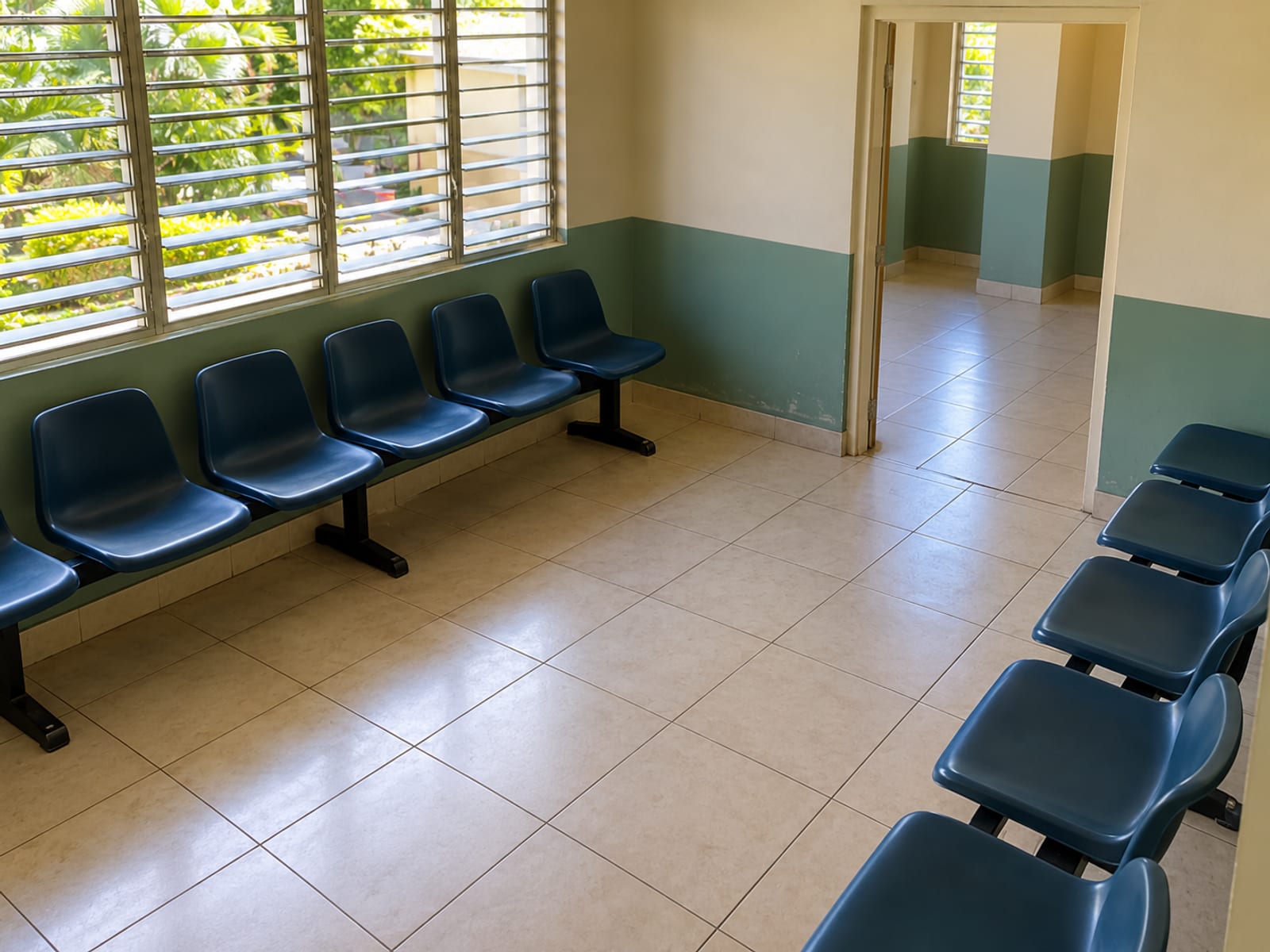
The registration desk can tell you what identification and information are required for a first visit. If you are using a public facility, ask the facility or Regional Health Authority whether a referral or registration visit is needed.
Ask the provider for the current fee and its scope. Ask whether the price is for a first visit, follow-up, general consultation, specialist consultation, telemedicine or a home visit, and whether it is in J$ or another currency. Ask whether it includes registration, forms, procedures, tests, reports or follow-up, and whether GCT is included.
Ask too whether a different fee applies to residents, non-residents, children, seniors or insured patients, whether a deposit is required and which payment methods are accepted. If you are referred elsewhere, ask what documents you will receive.
For insurance, ask whether the provider accepts your particular plan, whether pre-authorisation is needed, whether direct billing is available and what payment is required at registration. If reimbursement is required, ask for an itemised receipt and any claim form or medical report.
For records, ask whether electronic documents are accepted, which file format is preferred and where to send them. Bring your passport or Jamaican identification, TRN details, insurance card, NHFCard where applicable, previous reports, prescriptions, referrals and relevant overseas records.
Medi Connect Urgent Care publishes walk-ins, appointment information, a general consultation starting fee of J$3,500, separate charges for additional procedures or tests, and documents to bring. Those are that provider’s published terms, as shown in October 2026, not a national fee or access rule.
To find a laboratory or imaging provider, see medical laboratories and imaging. Then ask that laboratory for preparation instructions for the specific test, the requisition requirements, the report turnaround and the fee. Preparation can differ by test and laboratory.
For a professional’s registration and practising status, contact the Medical Council of Jamaica, the Pharmacy Council of Jamaica or the Dental Council of Jamaica.
Common questions
Is there good medical care in Jamaica?
Jamaica has public health centres, hospitals, private clinics, private hospitals, laboratories and other health-service providers. Availability and service level vary by location, facility, specialty, urgency and payment arrangement. The World Health Organization’s Jamaica primary-care case study describes an extensive health-centre network and workforce issues. Ask the chosen provider whether it offers the service, accepts patients and requires a referral.
Does Jamaica accept US health insurance?
There is no single rule requiring every Jamaican provider to accept United States health insurance. A US plan may cover care in Jamaica only when its policy includes overseas or international care, and the provider may still require upfront payment, a deposit or a letter confirming payment. The United States Department of State’s Jamaica travel information says most US health plans do not cover medical expenses abroad and that Medicare and Medicaid generally do not cover care abroad.
Ask both parties before the visit or admission. The insurer should confirm coverage and authorisation, while the Jamaican provider should confirm direct billing, payment requirements and reimbursement documents. Family members coming to stay can check where a visitor who needs a doctor in Jamaica can go and how to pay.
How much does a doctor visit cost in Jamaica?
There is no single island-wide price. Published examples as shown in October 2026 include Medi Connect Urgent Care general consultations from J$3,500, Dr. Kevin Henry’s first consultation at J$8,000, and Dr. Amanda Johnson’s Jamaica telemedicine consultations at J$5,000, J$7,500 and J$12,000 for different consultation types. Patoo Medical lists a J$3,000 prescription-refill consultation and a J$25,000 home visit.
These prices belong to the named providers and services, and they may change. Ask whether registration, forms, tests, procedures, reports, follow-up or GCT are included. Compare what it costs to see a doctor in Jamaica across public, private and walk-in care.
Do returning residents need a TRN for the NHFCard?
Yes. The National Health Fund says all applicants, including senior citizens, require a TRN. If you cannot obtain one, ask the NHF about the TRN Waiver Programme. The application also requires the relevant forms, doctor certification for chronic-condition benefits and a prescription or requisition where applicable.
Can people aged 60 or over use JADEP?
Residents aged 60 or over qualify for JADEP benefits when they meet the programme’s covered-condition requirements. JADEP is integrated into the NHFCard and provides a 100 per cent subsidy for specified medicines for 10 chronic illnesses, with a dispensing fee from J$40 for one item to J$240 for six or more items. Confirm the medicine, participating pharmacy and fee with the NHF or pharmacy.
What should a returning resident do about overseas medicines?
Keep the medicines in their labelled packaging and carry supporting documents. Ask the Ministry of Health and Wellness whether an import permit is required, then check Jamaica Customs requirements for identification, TRN, shipping documents, invoices, permits, duties and taxes.
To find a provider, start with the parish or place type that matches the service you need, then contact the provider for the appointment, fee, payment and document details.