Planning a visit
Holiday dialysis in Jamaica: booking sessions as a visitor
Plan holiday dialysis in Jamaica with provider locations, records, booking steps, fee references, payment questions and practical visit details.
2 December 2025
On this page
You can arrange holiday dialysis in Jamaica, but you need to settle availability, required records, the full fee and payment terms with the chosen centre before you finalize travel. Private providers in Kingston, Mandeville and Montego Bay publicly describe services for visiting or international patients, while the exact dates, treatment type, location and price must be confirmed for your booking.
Start with the parish or town where you will stay, prepare your requested treatment dates, and contact more than one centre if your schedule is fixed. Ask for written confirmation covering every session, including weekends or public holidays where relevant.
Centres that describe services for visitors
Several Jamaican providers publicly describe services for people travelling to Jamaica for dialysis.
Sunshine Dialysis Centre says it provides haemodialysis for “local and visiting patients from all over the world” and has locations in Kingston and Mandeville. You can begin the process through Sunshine Dialysis visitor information or its intake form. The intake form asks for details such as your name, contact information, requested treatment date, home unit, nephrologist, social worker and charge nurse where applicable.
If you will stay in Kingston, see health places in Kingston for nearby healthcare locations while you compare travel time to the dialysis centre. For Mandeville, see health places in Manchester alongside the centre’s address and transport arrangements.
Latham Dialysis Centre in Kingston says it welcomes local residents and visitors to Jamaica. Its published payment information names major credit cards, debit cards and health cards as accepted methods. Before relying on a particular card or insurance arrangement, ask the centre to confirm acceptance for your visitor booking and state the currency and payment deadline in writing. The centre’s visitor information is available through Latham Dialysis Centre.
Zierlich Dialysis in Montego Bay says it serves local and international patients. It describes in-clinic, home and hotel haemodialysis and says appointments can be scheduled through its website, by telephone or by email. Its Zierlich Dialysis service information can help you identify the type of arrangement to discuss. If your accommodation is in western Jamaica, see health places in St. James when considering the distance between your accommodation and the centre.
Rapha Dialysis Center in Montego Bay describes haemodialysis and peritoneal dialysis services. Its Rapha Dialysis visitor FAQ says Jamaican private dialysis centres provide transient or holiday dialysis, and recommends beginning planning at least six weeks before travel unless the trip is an emergency. A social worker or travel coordinator may help with the arrangements, and more than one centre may need to be contacted when availability is limited.
I-Kare Dialysis Limited in Kingston advertises dialysis for medical tourism and scheduled bookings. Include it among the centres you contact if Kingston is your area of stay. Your enquiry should still cover the exact dates, treatment type, documents, fee and payment terms.
What to prepare before contacting a centre
Write down the dates you need treatment, the number of sessions, your accommodation address or general area, and the times that could work with your travel plans. Include arrival and departure dates, because transport and flight schedules may affect which sessions are practical.
Rapha’s published list of information for Jamaican dialysis arrangements includes a summary of your medical history, allergies and dialysis orders. It also includes copies of your last three to five dialysis flow sheets, your Hepatitis B, Hepatitis C and HIV status, and the required treatment dates.
The centre decides how recent each document must be. Ask for its exact document requirements before sending records.
Each Jamaican centre may request a different set of documents, and may also ask for identification and insurance details. Ask whether records must be sent by email, through an intake form or by another secure method. Confirm who should receive them and how recent each item must be.
How far ahead to plan
Six weeks is the planning period Rapha recommends for visitors, unless the trip is an emergency. Starting earlier gives you more time to compare centres, send records, clarify payment and coordinate transport with your accommodation. For rides on session days, see hiring a private driver on session days.
Sunshine says visitors can begin by email or through its intake form, after which the centre contacts the patient to finalize details. Its services page also refers to immediate scheduling for urgent cases. Ask whether a holiday slot is available on your dates, give the requested dates and obtain written confirmation.
Zierlich describes booking through its website, telephone or email. Ask for the earliest date by which it needs your records and the point at which your sessions become confirmed.
If you need several sessions during one trip, ask whether all sessions can be provided at one location. Sunshine has Kingston and Mandeville locations, while Zierlich describes home and hotel haemodialysis in addition to in-clinic service. Confirm the location for each session, especially if you will move between parishes.
What the published fee references mean
A visitor needs a current written quotation from the selected centre. Two Jamaican public references give historical context, and neither is your holiday-dialysis price.
The Ministry figure is a 2017 private-sector estimate. Session length, tax treatment, inclusions and any visitor tariff are questions for the centre. You can read the Ministry’s 2017 private-sector dialysis fee reference.
The regulations entry is a government fee-schedule line, and it is not a quotation for holiday haemodialysis at a private centre. The National Health Services fee regulations provide the wording and category.
Your written quotation should state the exact fee per session, the treatment type, the session length and the currency. It should say what the fee includes and whether General Consumption Tax, or GCT, is included or added. It should also list charges for supplies, registration, physician review or laboratory work, and any transportation or hotel-service charges.
The quotation should further set out the deposit or prepayment required, the cancellation, rescheduling and refund terms, the payment deadline and the receipt or invoice provided.
A price in Jamaican dollars should remain labelled J$ or JMD. A price in US dollars should remain labelled US$. Do not combine an old Jamaican-dollar reference with an assumed visitor price. For the wider set of reported session prices, see what a dialysis session costs in Jamaica and how patients pay.
Converting Jamaican dollars and US dollars
The Bank of Jamaica displayed weighted-average foreign-exchange rates dated 27 October 2026 of J$157.8516 per US$1 for the USD buying rate and J$159.6491 per US$1 for the USD selling rate. Rounded for presentation, US$1 was about J$158 at the buying rate and about J$160 at the selling rate. The Bank of Jamaica foreign-exchange information identifies the date and rate type.

These are reference rates, and a dialysis centre, bank, card issuer or cambio may use a different one. If you make a conversion for your budget, label it with the date and whether you used the buying or selling rate. A provider’s quotation remains the amount to use for your booking.
Payment, insurance and receipts
Latham names major credit cards, debit cards and health cards as payment methods. Whether your insurer will authorize the treatment or reimburse you is a separate question. Ask the centre and your insurer how pre-authorization works, which documents are needed, whether the centre bills the insurer directly, and what you must pay yourself. If you hold a Jamaican policy, see what individual health insurance in Jamaica costs and covers.
Ask for the full payment arrangement in writing. It should cover deposits, prepayment, accepted cards, bank transfers or cash, insurance authorization, cancellation, rescheduling and refunds. If your insurer has not approved payment before arrival, ask whether private payment is required and whether an itemized receipt will be issued for a reimbursement claim.
The Consumer Affairs Commission describes consumer rights that include access to information, protection of economic interests and redress. Jamaica’s consumer-protection guidance also describes receipt details such as the amount paid, date, service description and, where applicable, the professional fee. You can refer to the Consumer Affairs Commission’s receipt and consumer-rights information when requesting a clear quotation and itemized receipt.
Questions to send the dialysis centre
Put the practical questions in one message so the centre can respond against your requested dates.
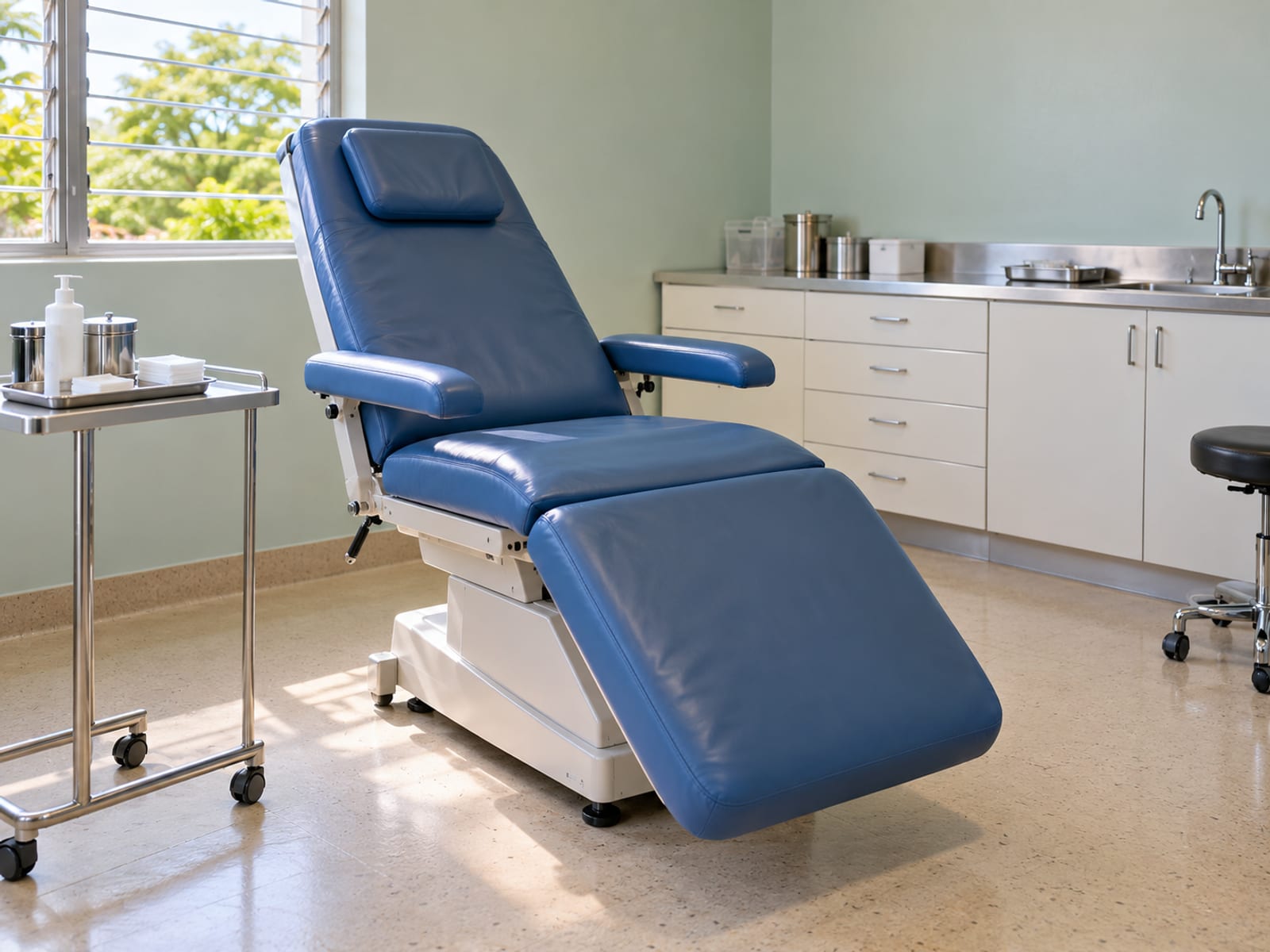
Begin with availability. Ask whether the centre is accepting transient, holiday or non-resident dialysis patients on your dates, whether every requested session is available, including weekends and public holidays, and which location will provide each session. Ask whether it can provide the treatment type you require, whether different locations can be used during one trip, and whether it will issue written booking confirmation before you travel.
Next, ask about paperwork. Ask which records, dialysis orders, recent results, identification and insurance documents are required, how recent each document must be, and what identification and paperwork to bring to the first session.
Then ask about money. Ask for the exact fee per session, whether it is quoted in JMD or USD, what the fee includes and whether GCT is included or added. Ask whether there are separate charges for registration, supplies, physician review, laboratory work, transportation, home service or hotel service, and whether a deposit or full payment is required before the first session. Ask which cards, bank transfers, cash or insurance authorizations are accepted, and what happens if your insurer has not approved payment.
Finally, ask about the booking itself. Ask what cancellation, rescheduling and refund terms apply, and whether the centre will provide an itemized receipt for an insurer or reimbursement claim. Ask whether transportation is available and what the separate charge is, and who the named contact is for changes to the booking.
Keep the written reply with your travel documents. Before arrival, confirm the address, session times, contact person and transport plan. If you need urgent care during the trip, go to the nearest emergency department or call 110 for Jamaica Fire Brigade emergency medical services, rather than waiting for a booking response. For a routine consultation during the trip, see where a visitor who needs a doctor in Jamaica can go and how to pay.
Common questions
How much does a dialysis session cost in Jamaica?
The Jamaican references are J$12,000 to J$15,000 per private-sector dialysis treatment session in a 2017 Ministry of Health and Wellness document, and J$3,600.00 to J$7,200.00 for a peritoneal haemodialysis entry in the 1999 National Health Services (Fees) Regulations. Both are old figures. A visitor should request a current itemized quotation from the chosen centre, because the final holiday-dialysis price is set by the centre.
Can I get dialysis on holiday in Jamaica?
Yes. Sunshine, Latham, Zierlich, Rapha and I-Kare publicly describe services or arrangements for visiting, international, transient or medical-tourism patients. Your dates, treatment type, paperwork, location and payment terms still need direct confirmation from the centre.
How do I book holiday dialysis?
Choose the area where you will stay, prepare your requested dates and contact one or more centres. Send the requested medical and administrative records, request the complete fee and payment terms in writing, and obtain written confirmation for every session before finalizing your travel plans.
How early should I start arranging holiday dialysis?
Rapha recommends beginning at least six weeks before travel unless the trip is an emergency. Starting earlier gives you time to send records, compare available locations, arrange insurance authorization and coordinate transport.
What should I ask about the fee?
Ask for the amount per session, currency, treatment type, session length, inclusions, GCT, supplies, physician review, laboratory work, transportation, deposit, payment deadline, cancellation terms and itemized receipt. Keep the provider’s written quotation, because the older fee references are not a substitute for a current booking price.
For a centre, clinic or related service near the area where you will stay, see health places across Jamaica to find the place to contact.