Cards and coverage
JADEP in Jamaica: who qualifies and how seniors get their medicines
JADEP in Jamaica: who qualifies, how seniors apply through the NHFCard, which drugs are covered and the J$40 to J$240 pharmacy dispensing fee.
11 August 2026
On this page
JADEP is for Jamaica residents aged 60 and over who have at least one covered chronic illness and need a drug on the current JADEP list. The National Health Fund provides a 100 per cent subsidy for specified medicines, but the pharmacy dispensing fee still applies. Start by checking the person’s age, residence, covered condition, NHFCard status, prescription item and participating pharmacy.
JADEP means the Jamaica Drug for the Elderly Programme. It is administered by the National Health Fund’s JADEP programme, and the benefit is used through participating pharmacies marked NHF / JADEP.
Who qualifies for JADEP?
You need to meet both the age and health-condition requirements. JADEP is for residents of Jamaica aged 60 years and over who have one or more of these 10 covered chronic illnesses: asthma, arthritis, benign prostatic hyperplasia, diabetes, glaucoma, high cholesterol, hypertension, ischaemic heart disease, psychosis and vascular disease.
Age alone does not make every prescription eligible. The prescribed item must also be on the current JADEP drug list and must meet the programme’s rules for the condition, presentation and monthly quantity limit. The NHF’s updated JADEP information shows that the list can change, so check the current list before relying on an earlier prescription or medicine name.
If you already have an NHFCard and are aged 60 or over, JADEP benefits can apply automatically when you have a covered JADEP condition. The NHFCard can also provide separate subsidies for selected NHF-covered conditions, diagnostic services and medical supplies. The benefit that applies depends on the drug, condition, age and programme rules.
What medicines does JADEP cover?
JADEP does not cover every medicine used for one of the 10 conditions. It covers specific prescription drugs on the current NHF list. The NHF materials identify drug names, active ingredients, presentations and monthly limits. The NHF professional guidance for JADEP groups covered items by conditions such as asthma, arthritis, diabetes, glaucoma, hypertension, cardiac conditions, psychosis and vascular disease.
A prescription item may be linked to a covered condition and still fall outside the JADEP benefit if it is not on the current list. Quantity limits may also affect the claim. You can use the NHF’s current drug information and benefits search, or ask the prescriber or participating pharmacy to check the particular item before you make the trip.
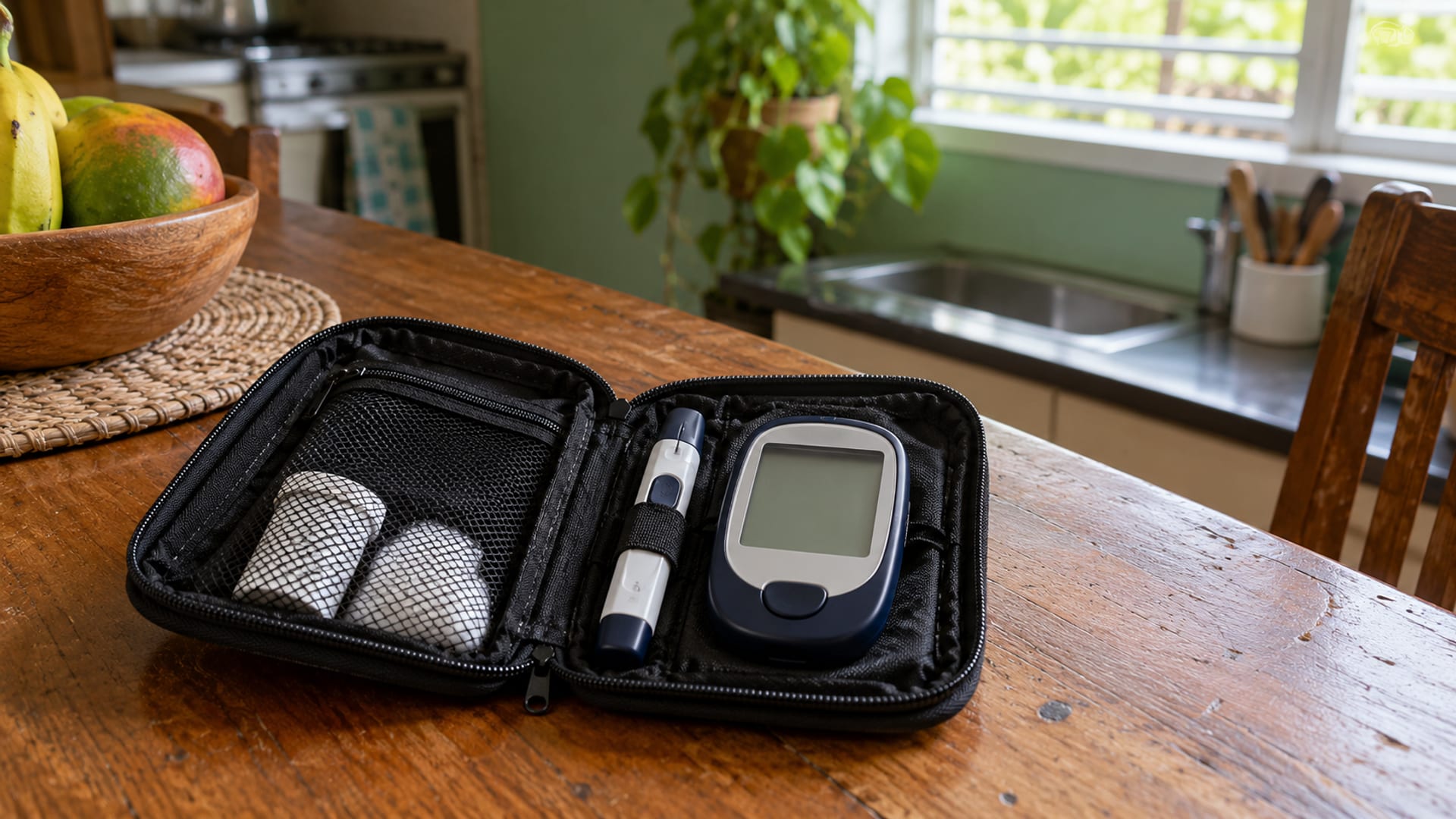
The condition, drug name, active ingredient, presentation and monthly limit all matter. If a prescription has several items, ask the pharmacy which items will be processed under JADEP and which, if any, will be handled under another NHFCard subsidy or paid for separately. For meters, test strips and lancets, see glucometer and diabetic supply prices and NHF benefits in Jamaica.
How the NHFCard fits into JADEP
JADEP, the NHFCard and the Government of Jamaica health-card systems were merged into the NHFCard. Since 21 September 2020, a person who qualifies for both programmes can use one NHFCard at a participating pharmacy, as described in the expanded NHFCard information.
The two programmes do not make every prescription free. JADEP provides a full subsidy for specified drugs on the JADEP list, subject to the pharmacy dispensing fee. The NHFCard provides a fixed subsidy for selected drugs, so you may have to pay the balance. The correct result depends on the prescription and the programme rules.
Present the prescription and NHFCard at the pharmacy and ask the pharmacy to process the item under the correct programme. If the medical information connected to the card has changed, ask the NHF or an NHFCard Centre what update is needed before the prescription is filled. If the person is registered with the Jamaica Council for Persons with Disabilities, also ask about the NHF disability subsidy in Jamaica and who qualifies.
The NHF no longer enrols new beneficiaries for JADEP-only cards. If you already have only a JADEP card, you can continue using it, while the NHF encourages an upgrade to the NHFCard. The NHFCard application information explains the current application route.
How to apply for an NHFCard
A new JADEP applicant uses the NHFCard process. The application normally follows these steps:
The NHF states that all applicants, including seniors, require a TRN. The NHF frequently asked questions also address application and card requirements.
The application form requires doctor information when the application involves a covered medical condition. You can review the NHF Beneficiary Application Form before visiting the NHFCard Centre so the applicant and doctor sections are completed correctly.
If a caregiver or another bearer is helping an elderly applicant, ask the NHF what identification and TRN documents are needed for both people. The NHF may require copies of the applicant’s TRN and identification, the bearer’s TRN and identification, and the relevant section of the application.
What does JADEP cost at the pharmacy?
The medicines covered by JADEP receive a 100 per cent subsidy, but the pharmacy dispensing fee remains payable. The NHF publishes the fee according to the number of prescription items. The NHF JADEP fee information listed these amounts in October 2026:
These amounts are published as pharmacy fees for dispensing JADEP drugs. Confirm the total amount payable with the pharmacy before collection, including whether General Consumption Tax, or GCT, applies to any fee.
The fee does not mean that every item on a prescription will be free. The prescription item must qualify under the current JADEP list, the pharmacy must participate, and any item outside the subsidy may have a separate charge.
For a wider explanation of the card and its subsidies, see The NHF card in Jamaica: how to apply and use it at the pharmacy.
Finding a participating pharmacy
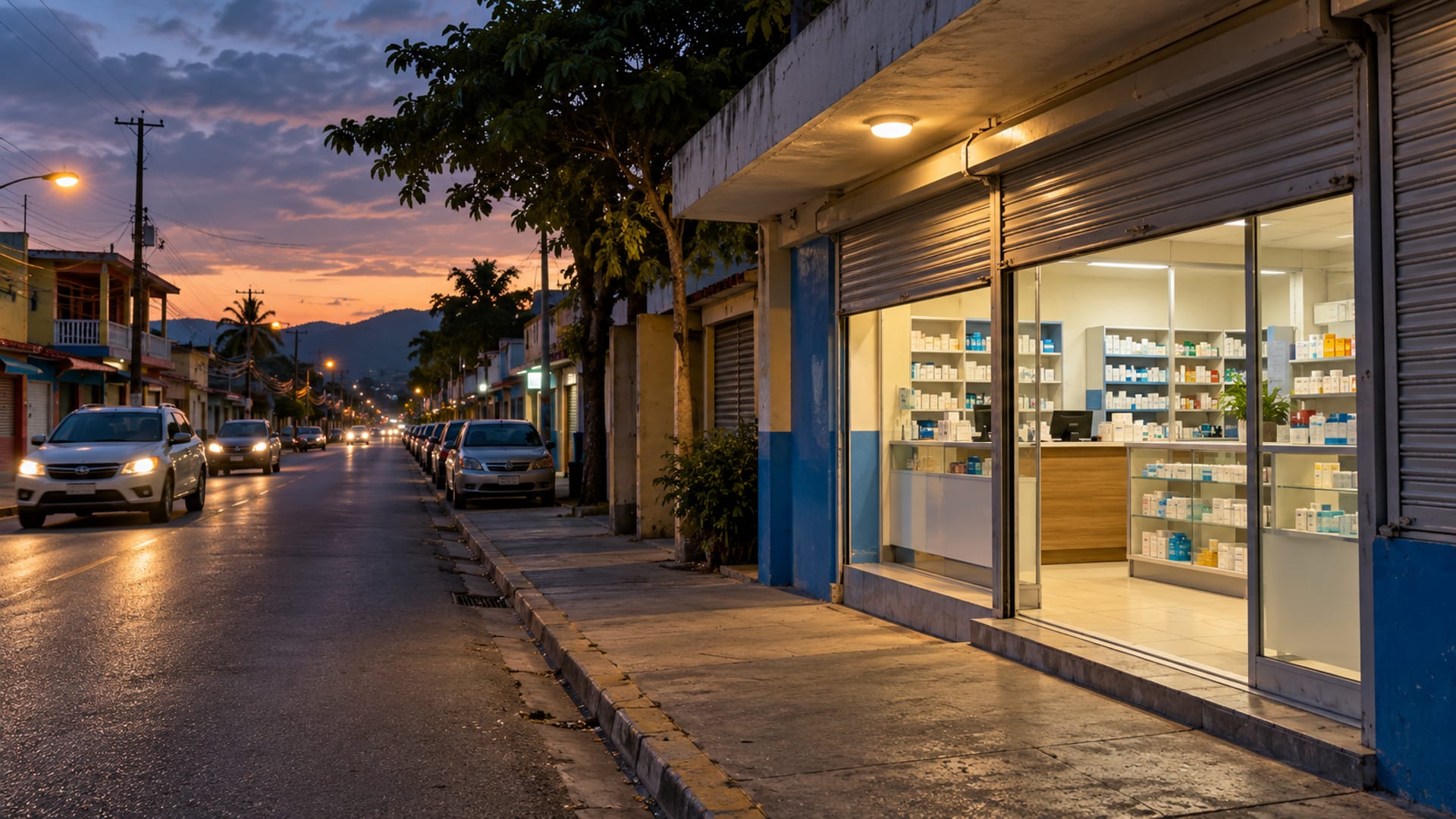
JADEP is available through pharmacies marked NHF / JADEP on the NHF provider listing. The NHF provider directory lists participating pharmacies by parish and town, with addresses and programme status.

You can also find pharmacies by location and call the branch you choose. The branch can confirm its prescription arrangements for the day you plan to go.
Before you travel, confirm whether the pharmacy is currently processing JADEP claims and whether the particular prescription item is available. Check whether the pharmacy can order or transfer the item, whether an electronic prescription is accepted, whether a caregiver can collect the medicine and whether delivery is available.
Confirm the current opening hours, holiday hours and cut-off times. Ask whether the listed dispensing fee is the total amount payable and whether GCT applies to any fee. Also confirm whether the pharmacy requires an original prescription, NHFCard, TRN or identification, and whether a refill can be scheduled and when it will be ready.
For example, someone looking for a branch in Kingston can compare pharmacies and other health services in Kingston with the NHF provider information, then contact the selected pharmacy about the prescription.
Prescription pickup, refills and electronic submission
The NHF provides public-sector prescription services through Drug Serv pharmacies. The Drug Serv pharmacy information describes prescription drop-off, pickup and scheduled refills for repeat prescriptions.
The NHF App allows public patients to submit a prescription electronically and choose a pickup time at participating Drug Serv locations. Selected pharmacies also have Quick Prescript kiosks. These arrangements relate to Drug Serv and public-sector prescription fulfilment.
For more detail on those services, read Drug Serv pharmacies in Jamaica: what they are and how to use them.
A private pharmacy that participates in JADEP may have its own arrangements for electronic prescriptions, refills, ordering, collection and delivery. Ask the chosen pharmacy what it accepts and when the prescription will be ready. A Drug Serv pickup arrangement should not be assumed to apply at every private JADEP pharmacy.
What to take and what to ask
The documents needed can depend on the pharmacy, the prescription and the service being requested. Keep the prescription and NHFCard available, and ask whether the branch also needs the applicant’s TRN or identification.
Useful questions start with the claim. Ask whether the branch is currently processing JADEP prescriptions, whether this prescription item is on the current JADEP list, and which items will receive the JADEP subsidy. Ask for the total dispensing fee for the prescription and whether GCT applies to any amount payable.
Then ask about collection. Ask whether the pharmacy requires the original prescription, whether a caregiver can collect the medicine and whether the prescription can be sent electronically. Ask whether the item can be ordered or transferred, whether a refill schedule is available, whether delivery is available and what fee applies, and what the current opening hours and collection cut-off time are.
The NHF is the programme administrator. The Ministry of Health and Wellness oversees Jamaica’s public health system, while individual pharmacies manage their own branch operations. You can use the NHF contact information for programme or card questions that the pharmacy cannot answer.
Do you have to pay for healthcare in Jamaica?
Jamaica’s public-health system has a no-user-fee policy for public patients without insurance, but the amount payable can depend on the facility, patient category and service. The Ministry’s public hospital user-fee notice identifies private patients, insured patients and non-residents as categories to which public-hospital fees may apply.
Some partially government-funded hospitals may charge a registration fee, as described by Jamaica Information Service health-care options. Private doctors, pharmacies, laboratories, hospitals and other providers set their own fees.
For any visit, ask whether the service is public or private, whether the patient qualifies for the no-user-fee policy, whether the facility is fully or partially government-funded, and whether a registration, consultation, dispensing, laboratory or other fee applies. Insurance can also change the amount payable.
JADEP reduces the cost of specified medicines for eligible seniors. It does not remove the pharmacy dispensing fee, and it does not set the fees for private consultations, tests or other health services.
Common questions
Who is eligible for JADEP in Jamaica?
JADEP is for residents of Jamaica aged 60 and over who have one or more of the 10 covered chronic illnesses and use a drug on the current JADEP list. The person must meet the age and condition requirements, and the specific prescription item must qualify.
What drugs are on the JADEP list?
The JADEP list contains specific prescription drugs, active ingredients, presentations and monthly limits linked to covered conditions. It changes periodically, so check the current NHF list or ask the prescriber or participating pharmacy to confirm a particular item.
How do I apply for JADEP?
Apply through the NHFCard process by completing the NHF Beneficiary Application Form, providing the applicant’s TRN and personal details, and having a doctor certify the covered condition with a signature and Medical Council of Jamaica registration number. Submit the form at an NHFCard Centre.
Is JADEP free?
JADEP provides a 100 per cent subsidy for specified drugs on the current list, but the pharmacy dispensing fee remains payable. The published fee ranges from J$40 for one prescription item to J$240 for six or more items (NHF, October 2026), and you should confirm the total amount payable with the pharmacy.
Do you have to pay for healthcare in Jamaica?
Public patients without insurance may receive care under Jamaica’s no-user-fee policy, while private patients, insured patients, non-residents and patients using some partially government-funded facilities may have fees. Ask the facility which patient category and service fee rules apply.
For services beyond pharmacy visits, read Health centres in Jamaica: which services are free and how to use one.
For hospital charges, read Public hospital and health centre fees in Jamaica: what you pay and who pays more.
To find a pharmacy to contact, browse pharmacies by parish and town.